Guide
An automatic watch that rattles when shaken is not necessarily faulty. A faint whirring or spinning sound can come from the rotor, a moving component inside the watch that helps wind the mainspring.
However, a new or unusual rattle, a scraping noise, or a sound that develops after an impact may indicate a mechanical issue. The source of the noise and any changes in performance can help determine whether the watch needs inspection.
This guide explains the common causes of rattling in automatic watches, how to recognize potential warning signs, and when a professional watchmaker should inspect the movement.
Why Does an Automatic Watch Rattle When Shaken
Rattling can come from the watch’s internal winding mechanism or external components such as the bracelet and clasp. The cause depends on where the sound originates and whether it is consistent with the watch’s usual operation.

1. The Automatic Rotor Is Moving
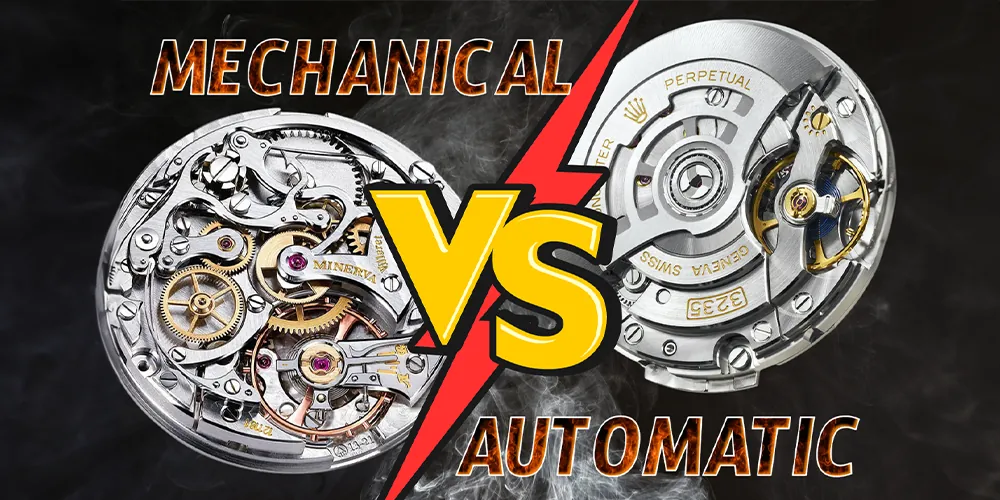
The rotor is a weighted component that turns as the watch moves with the wrist. In an automatic movement, the rotor drives the winding mechanism, which transfers energy to the mainspring as the rotor turns.
Depending on the movement’s design, the rotor may produce a faint whirring, spinning, or light mechanical sound. Some movements are naturally more audible than others, particularly when the wrist changes position. If the sound is familiar and the watch operates normally, it may be a characteristic of the movement rather than a fault.
2. The Automatic Winding Mechanism Is Making Noise
The automatic winding mechanism uses gears and other components to transfer the rotor’s movement to the mainspring. The arrangement varies between movements, so the sounds produced during operation can differ.
A new rattle or noticeable change in sound may indicate wear or a problem with the mechanism. A watchmaker can inspect it to identify the cause.
3. The Bracelet or Clasp Is Loose
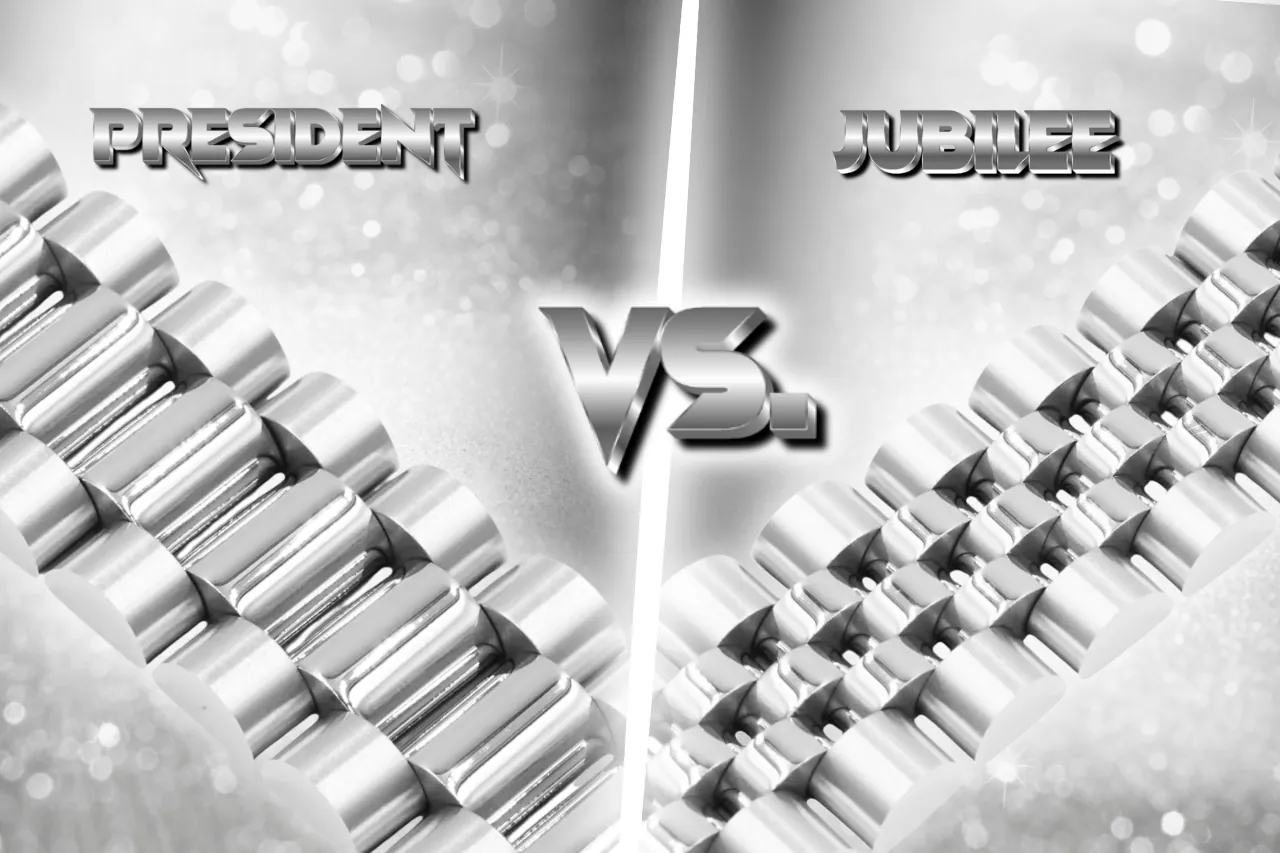
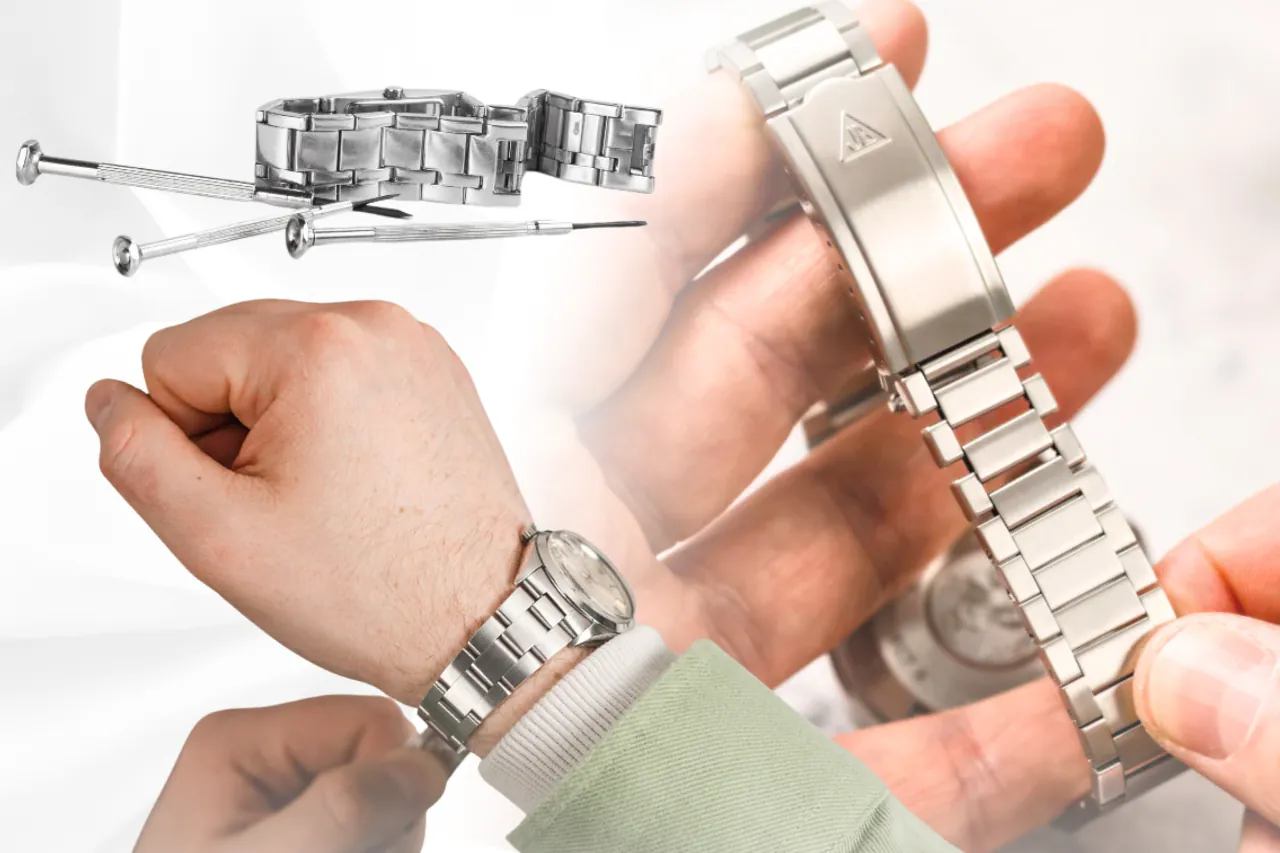
Not every rattle comes from inside the watch. Metal bracelet links, end links, clasps, and spring bars can move against one another and produce clicking or rattling sounds.
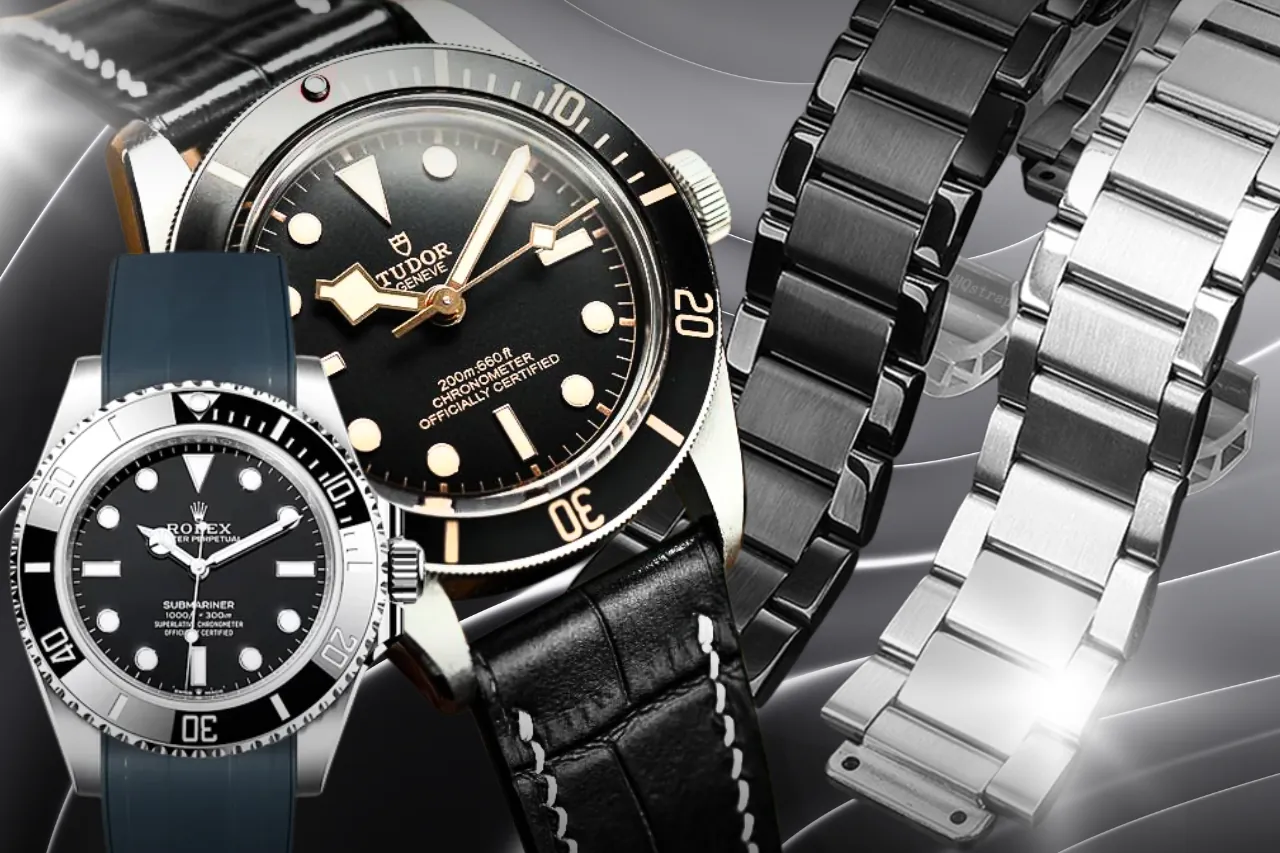
Bracelets with folded or hollow links may develop more play than solid-link designs as the links and pins wear over time. A watch on a leather or rubber strap has fewer external parts that can move against each other, so a rattle from a strap-fitted watch is more likely to come from the case or movement.
4. A Rotor or Other Component May Be Loose or Damaged
A loose rotor mounting or damage following an impact may cause unusual rattling or scraping. Other faults within the automatic winding mechanism can also affect the watch’s operation.
A rattle does not necessarily mean the rotor is loose, as other faults can produce similar sounds. The warning signs below can help indicate when a watchmaker should inspect the movement.
Is It Normal for an Automatic Watch to Rattle When Shaken
Some automatic watches produce an audible rotor sound during normal operation, while others are quieter. A faint, familiar whirring sound is generally less concerning than a new rattle or scraping noise.
What Does a Normal Automatic Watch Rotor Sound Like
A normal rotor sound is usually soft and consistent. Typical signs include:
- A faint whirring or swishing sound as the rotor spins
- Rotor noise may vary with the direction of rotation and the movement’s design
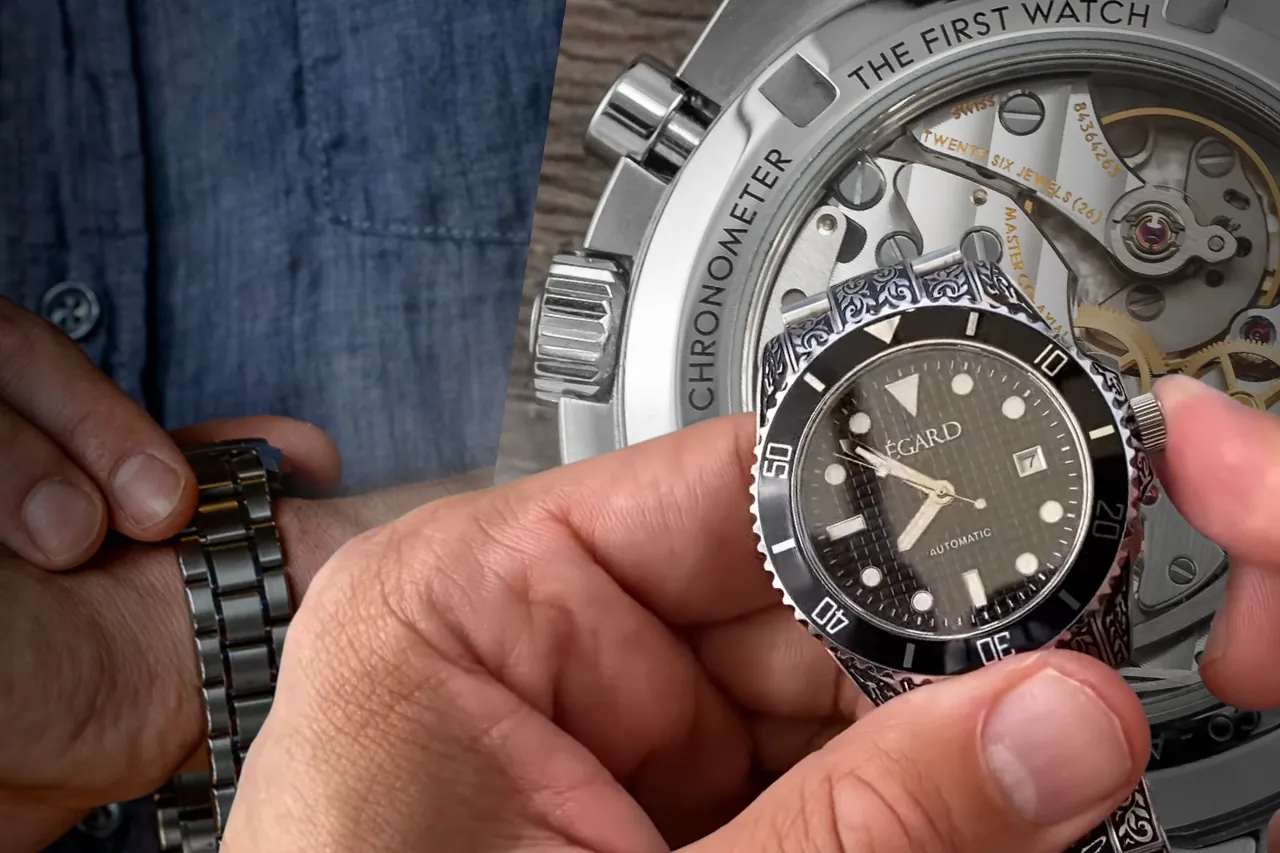
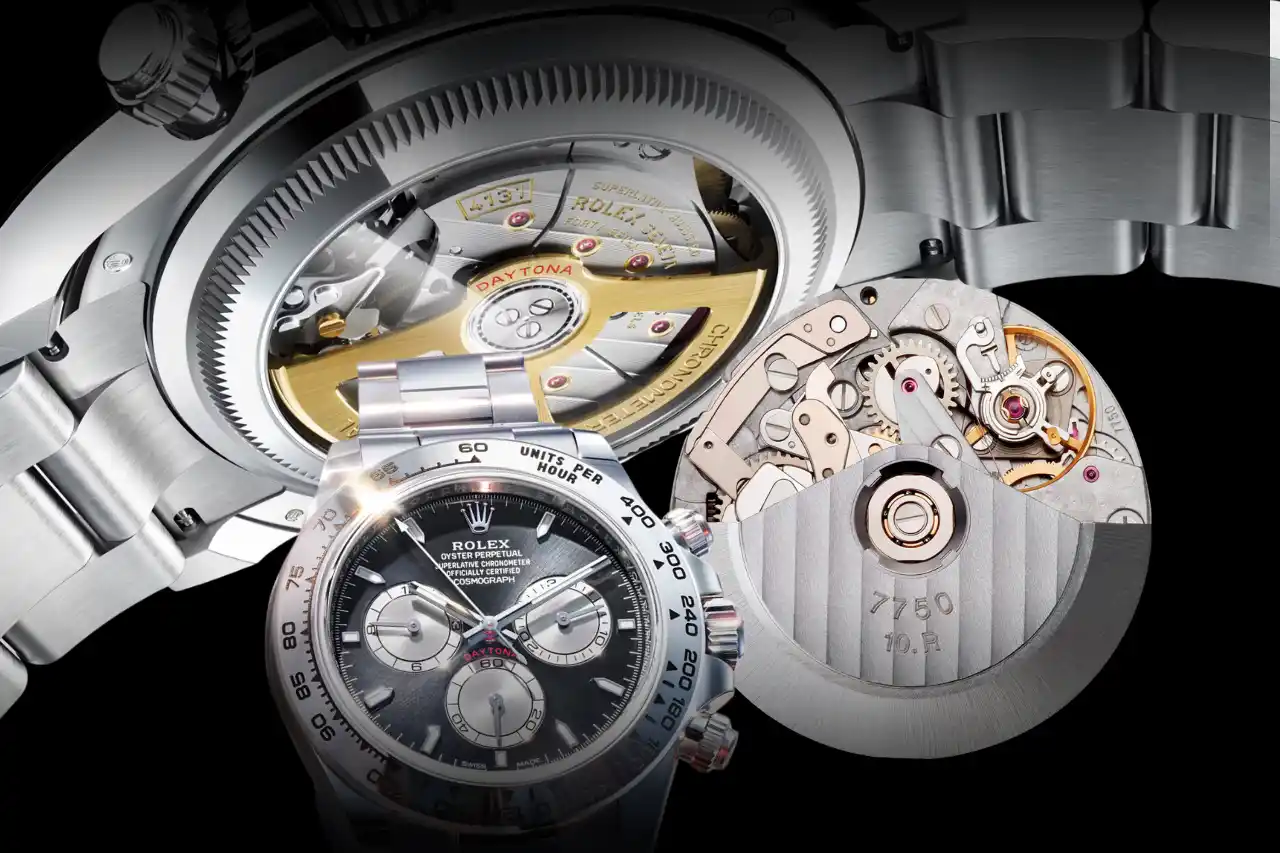
- Slight rotor movement may be visible through an exhibition caseback during normal operation
Case and movement design affect how noticeable rotor noise is. A change from the watch’s usual sound, particularly alongside changes in performance, may warrant inspection.
Sounds That Deserve Attention
A new or unusual rattle may indicate that something has changed within the watch. Scraping or grinding noises can suggest unwanted contact between components, while a distinct metallic rattle may point to a loose or damaged part.
Other warning signs include:
- A noticeable change in the watch’s usual operating sound.
- A rattling noise that develops after a drop or impact.
- Unexpected stopping or changes in timekeeping.
How to Tell Where the Rattling Sound Comes From
Before assuming that an automatic watch needs repair, check whether the noise may be coming from the bracelet or another external component.
A few simple observations can help narrow down the possible source without opening the watch or deliberately shaking it.
Check the Bracelet and Clasp
If the watch has a metal bracelet, check whether the links move excessively or the clasp feels loose during normal handling.
Loose bracelet links, end links, the clasp, or spring bars can produce rattling sounds that seem to come from the watch case.
If a connection appears insecure, avoid wearing the watch until it has been checked. A watch that slips off the wrist may suffer significant damage.
Pay Attention to When the Sound Occurs
Notice whether the noise occurs during ordinary wrist movement, when the watch changes direction, or when the bracelet moves against the wrist.
A brief whirring sound during movement may come from the rotor, while noise that appears to come from the bracelet may point to an external component. However, sound can travel through the case and bracelet, so its apparent location may not identify the actual source.
Noting when the sound occurs can help you describe the problem to a watchmaker.
Check Whether the Watch Keeps Time
If the watch continues running normally and the sound has not changed, the noise may be a normal characteristic of the movement. However, if it starts losing more time than usual, stops unexpectedly, or has a shorter power reserve than expected, further investigation may be necessary.
Timekeeping problems can have several causes, and not every mechanical fault produces an immediate change in accuracy.
Can a Loose Rotor Damage an Automatic Watch

A loose rotor can damage other parts of an automatic watch if it moves excessively and comes into contact with surrounding components. The extent of the damage depends on the nature of the fault and whether the watch continues running in that condition.
Potential Risks of a Loose Rotor
A rotor that has excessive movement may rub against nearby movement components or the inside of the caseback, potentially causing scratches and additional wear. If the problem is left unaddressed, continued contact may lead to further damage.
A fault affecting the rotor or automatic winding mechanism may also reduce the watch’s winding efficiency. In some cases, the watch may no longer maintain its power reserve as expected.
What to Do If Your Automatic Watch Starts Rattling
If an automatic watch develops an unusual rattling sound, a few precautions can help prevent avoidable damage while the cause is being identified.
Avoid Shaking or Opening the Watch
Avoid deliberately shaking the watch to reproduce the noise or opening the caseback to attempt repairs. Improper handling can cause further damage or compromise the watch’s water resistance.
Check the Warranty Terms
Before arranging a repair, review the watch’s warranty terms and any applicable service documentation. If the watch is still covered, contact the manufacturer or the appropriate service provider to confirm the available options.
Warranty coverage varies. Damage caused by impacts, unauthorized repairs, or other excluded circumstances may not be covered, so check the specific terms rather than assuming the repair will be free.
Arrange an Inspection When Necessary
Arrange a professional inspection if the rattling becomes more pronounced or is accompanied by scraping, grinding, unexpected stopping, or changes in timekeeping.
If the watch makes a scraping or grinding noise, has suffered a significant impact, or its bracelet or strap attachment appears insecure, avoid wearing it until it has been checked.
A watchmaker can assess the external fittings and movement to identify the likely source of the noise and recommend any necessary repair.
How Does a Watchmaker Diagnose an Automatic Watch That Rattles
When an automatic watch produces an unusual sound, a watchmaker first assesses the noise and any changes in the watch’s operation. The inspection then depends on the movement’s construction and whether the symptoms suggest an external issue or a problem inside the case.
Listening to the Sound
The watchmaker may listen to the watch during normal handling to assess the character of the noise. A familiar whirring sound may be consistent with normal rotor movement, while a new rattle or scraping noise may warrant closer inspection.
The sound alone cannot confirm which component is responsible, so further checks may be necessary.
Inspecting the Case and Rotor
The case, bracelet, and clasp may be checked first to rule out loose external components. If the noise appears to originate inside the watch, the watchmaker may examine the movement.
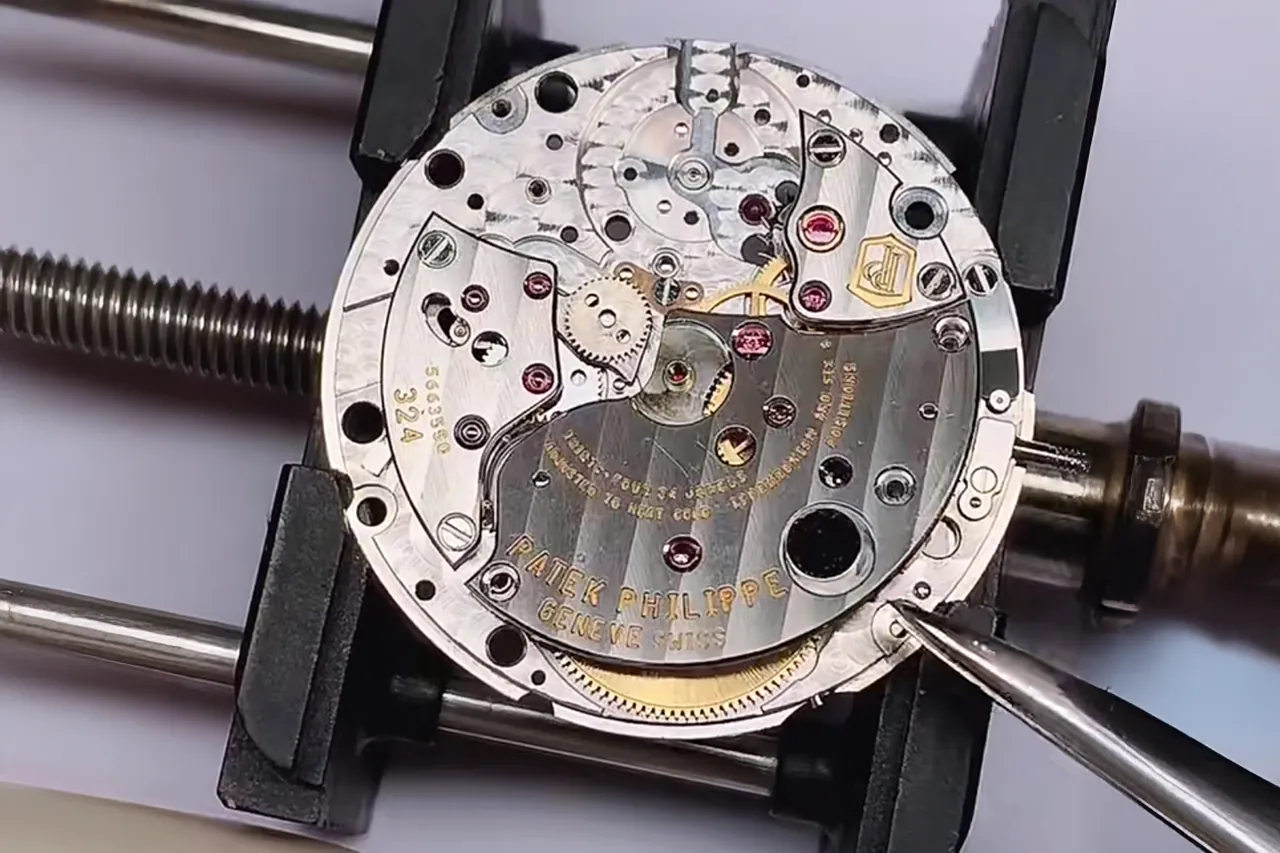
An exhibition caseback allows the rotor to be viewed without opening the watch. However, some faults cannot be identified visually, so a watchmaker may need to remove the caseback for a closer inspection.
Checking the Rotor and Winding Mechanism
If a rotor fault is suspected, the watchmaker can check its mounting, movement, and clearance from surrounding components. The inspection may reveal excessive play, wear, or signs of contact with nearby parts.
The rotor attachment and bearing arrangement vary between movements, so the appropriate checks depend on the watch’s construction.
Assessing the Movement for Damage
If the rotor has been rubbing against other components or the watch has sustained an impact, the watchmaker may inspect the movement for signs of wear or damage.
Additional testing may be appropriate if the watch also has winding or timekeeping problems. The findings help establish whether a component needs adjustment, repair, or replacement.
Determining the Appropriate Repair
Once the cause has been identified, the watchmaker can recommend the necessary work. Depending on the findings, this may involve securing or replacing a component, repairing the automatic winding mechanism, or performing a more comprehensive service.
If the sound is normal for the movement and no fault is found, additional repair work may not be necessary.
How to Maintain an Automatic Watch
Regular care helps keep an automatic watch in suitable working condition and makes it easier to recognize changes that may require attention.
- Follow the manufacturer’s winding instructions. If the watch stops, use the recommended method to restart it. Avoid vigorous shaking as a substitute for winding.
- Protect the watch from significant impacts. Even a robust sports watch can sustain internal damage after a hard knock or drop.
- Pay attention to changes in sound. Becoming familiar with the watch’s normal operating noise makes unusual changes easier to recognize.
- Keep external fittings secure. Have a loose bracelet, clasp, or strap attachment checked to reduce the risk of the watch falling.
- Follow appropriate service recommendations. Service intervals vary by brand, movement, usage, and operating conditions. Refer to the manufacturer’s guidance rather than applying one interval to every watch.
- Seek advice when symptoms appear. A new rattle, scraping noise, or change in performance should be assessed rather than ignored until the next scheduled service.
These precautions do not eliminate normal mechanical noise or guarantee that faults will not develop. They help reduce avoidable risks and support the long-term condition of the watch.
Frequently Asked Questions
1. Why Does My Automatic Watch Rattle When I Move My Wrist?
The noise may come from the rotor winding the mainspring or from external components such as the bracelet and clasp. A faint whirring sound can be normal, but a new metallic rattle or scraping noise may require inspection.
2. Can I Keep Wearing a Rattling Automatic Watch?
A faint whirring sound can be normal, but a new or unusual rattle may indicate a mechanical issue. If the noise is accompanied by scraping or grinding, or follows a significant impact, stop wearing the watch and have it inspected by a watchmaker.
3. Can Shaking an Automatic Watch Damage It?
Gentle movement during normal wear is part of how an automatic watch operates. However, deliberately shaking the watch vigorously is unnecessary, particularly if an unusual noise suggests a possible fault. Follow the manufacturer’s winding instructions instead.
4. Can Different Automatic Watch Movements Make Different Noises?
Yes. Rotor sound varies with the movement’s design, including whether the rotor winds in one or both directions and how it is mounted. A watch that sounds louder than another automatic watch is not necessarily faulty. A change from the watch’s own usual sound is a more reliable warning sign.
Final Word
An automatic watch that rattles when shaken is not necessarily faulty. The sound may come from the rotor or automatic winding mechanism, and some movements are naturally more audible than others. Bracelet links and clasps can also produce rattling that seems to come from inside the case.
What matters most is whether the sound has changed. A new rattle, persistent scraping, or a noise that develops after an impact may point to a mechanical issue, particularly if the watch also starts losing time or stopping unexpectedly.
Key Takeaways:
- A faint whirring or swishing rotor sound is often normal for an automatic watch.
- Compare the watch to its own usual sound rather than to other watches.
- Check the bracelet, end links, and clasp before assuming the movement is at fault.
- Avoid shaking the watch to reproduce the noise, and do not open the caseback yourself.
If your automatic watch has developed an unusual rattle or its performance has changed, a professional inspection can determine whether the sound is normal or a sign of a fault. Watchlab’s experienced watchmakers can assess the movement and recommend the appropriate next steps.