Guide
A watch stops running, starts gaining or losing time, or comes back from the watchmaker with a repair quote that’s higher than expected, and suddenly a simple question feels more complicated than it should: is it worth fixing?
Whether a watch is worth repairing depends on more than the repair cost alone. Its current value, sentimental significance, intended use and long-term serviceability can all influence the decision. A repair that makes sense for a high-value mechanical watch may not be as practical for a lower-cost quartz watch.
This guide looks at what makes a watch worth repairing, when replacement may be the more sensible option, and the questions worth asking before committing to either.
What Determines Whether a Watch Is Worth Repairing

Repair Cost vs Watch Value
Comparing the repair cost with your watch’s current value or the cost of a comparable replacement can help put the decision into perspective. If it approaches or exceeds that point, it’s worth weighing the alternatives. This isn’t a strict formula, especially when sentimental value or long-term serviceability comes into play.
Sentimental Value
Market value isn’t the only consideration. A watch inherited from a family member, a gift, or a timepiece tied to an important milestone can be worth repairing even when the cost exceeds its resale value.
If the goal is to keep wearing and enjoying the watch, sentimental significance can outweigh the financial calculation.
Type and Condition of the Watch
The type and condition of the watch can also affect whether repair makes sense. A quartz fashion watch, a mid-range mechanical watch and a luxury automatic can all have very different repair costs.
Movement complexity, parts availability and the extent of the damage can also influence whether a watch is practical to restore.
Repair vs Servicing: What’s the Difference
Watch repair and watch servicing are related, but they are not quite the same. A repair usually addresses a specific fault, such as a broken mainspring, damaged crown or water-damaged component. Servicing is more preventive and involves inspecting, cleaning, lubricating and regulating the movement to keep it operating properly.
A watch that is still running can still need servicing, particularly if its accuracy has changed or there are signs of wear. This matters most for mechanical watches, where dried lubricants, worn components and accumulated debris can affect accuracy and increase wear over time.
How often a mechanical watch needs servicing depends on the manufacturer, the movement and how the watch is worn. Rolex recommends servicing its watches approximately every 10 years, depending on the model and real-life usage, which is long relative to many other manufacturers, several of which recommend shorter intervals. The manufacturer’s guidance for your specific model is a better reference than a single rule for all watches.
If a watch is already showing symptoms, a watchmaker can determine whether it needs a routine service, a specific repair, or both. The signs to look out for are covered in “When Should You Have a Watch Checked” below.
What Does a Typical Watch Repair Cost
Watch repairs vary widely in cost depending on the brand, movement and nature of the fault, but understanding the factors involved can make it easier to judge whether a specific quote is reasonable.
| Type of Repair | Typical Cost Range | Notes |
| Battery replacement (quartz) | Low | Usually one of the cheapest and most common watch services |
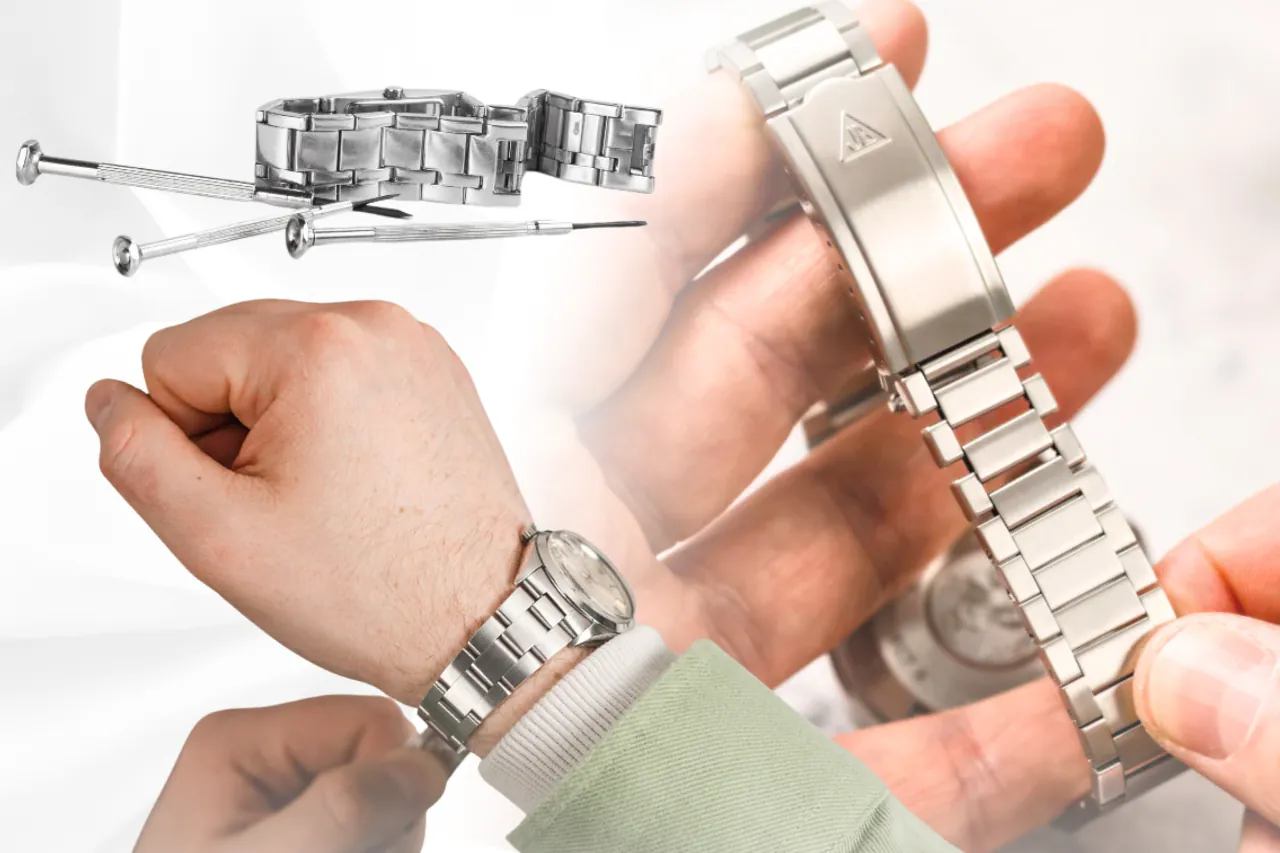
| Strap or bracelet adjustment | Low | Cost can rise for specialized bracelet links or materials |
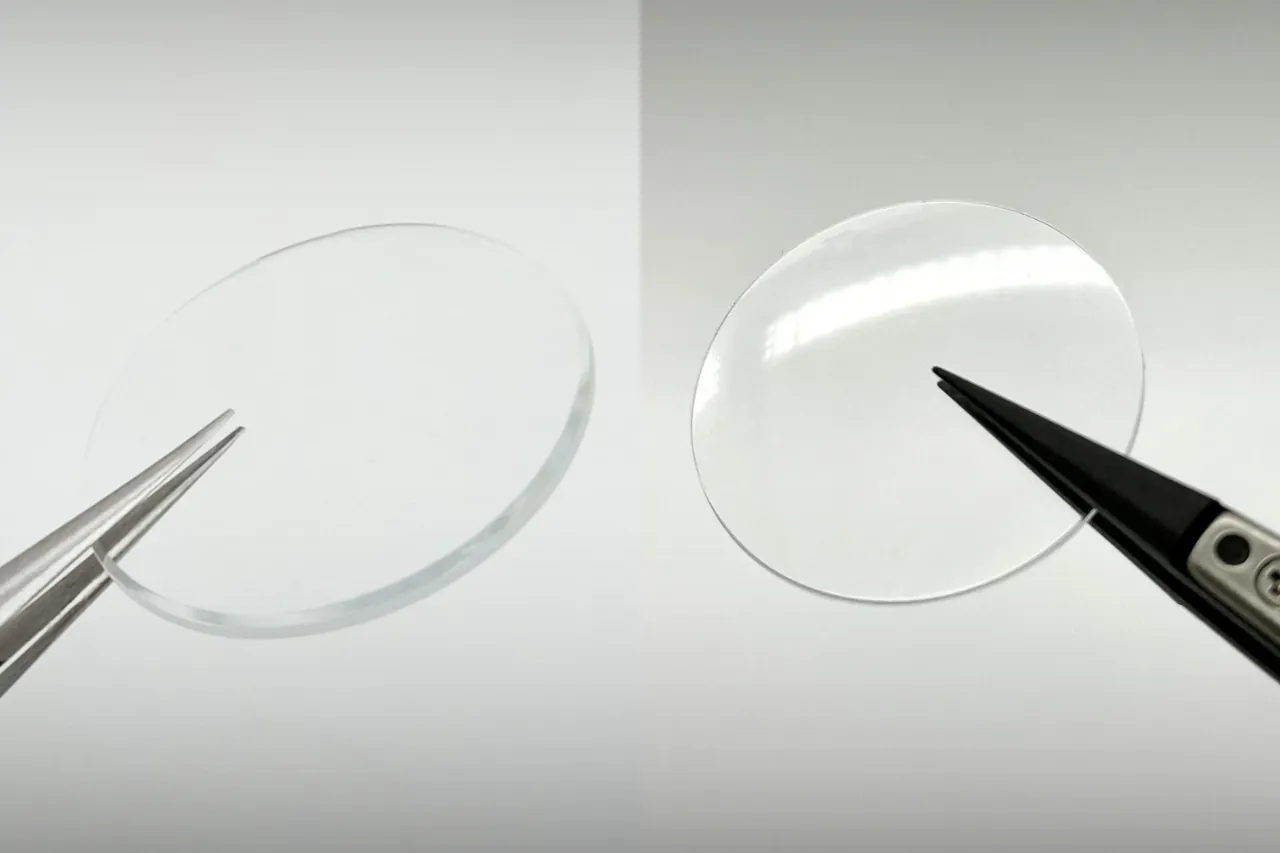
| Crystal replacement or polishing | Low to moderate | Cost depends on the crystal material and whether replacement or polishing is required |
| Movement cleaning and lubrication | Moderate | Routine servicing can help maintain performance and identify wear |
| Full mechanical overhaul | Moderate to high | Cost depends heavily on the caliber and whether parts need replacing |
| Luxury brand servicing | High | Brand-specific pricing and service requirements can make this more expensive than independent servicing |
These ranges are broad generalizations rather than fixed prices. The exact cost depends on the watch, its condition, the repair required and the workshop carrying out the work.
What Can Affect the Final Repair Cost
The initial repair estimate isn’t always the final cost. Several factors can affect the overall cost of watch repairs:
- Movement condition: Wear and tear, broken components or corrosion can require additional parts and labor.
- Parts availability: Older or discontinued calibers may require harder-to-source parts, which can increase both cost and repair time.
- Extent of the damage: A simple component replacement is very different from a complete movement overhaul.
- Watch construction: Complicated movements, chronographs and other specialized mechanisms generally require more time and expertise to service.
- Case condition: Water damage, worn seals or corrosion around the case can require additional work beyond the movement itself.
Repair vs Replacement: A Decision Table
| Situation | Recommended Action |
| Minor issue or routine service | Repair |
| Mechanical or luxury watch with serviceable movement and available parts | Repair |
| Strong sentimental or historical value | Repair |
| Repair cost close to replacement cost | Consider replacement |
| Heavy corrosion or water damage | Depends on inspection |
| Discontinued movement with no available parts | Depends on inspection |
The actual decision depends on the watch’s movement, condition, parts availability and the quality of the repair. A professional assessment is often worthwhile before deciding whether to repair or replace a valuable timepiece.
Does the Type of Watch Affect Whether It’s Worth Repairing
The cost and practicality of repair can vary significantly between luxury, mechanical, quartz and everyday watches.
Luxury and Mechanical Watches
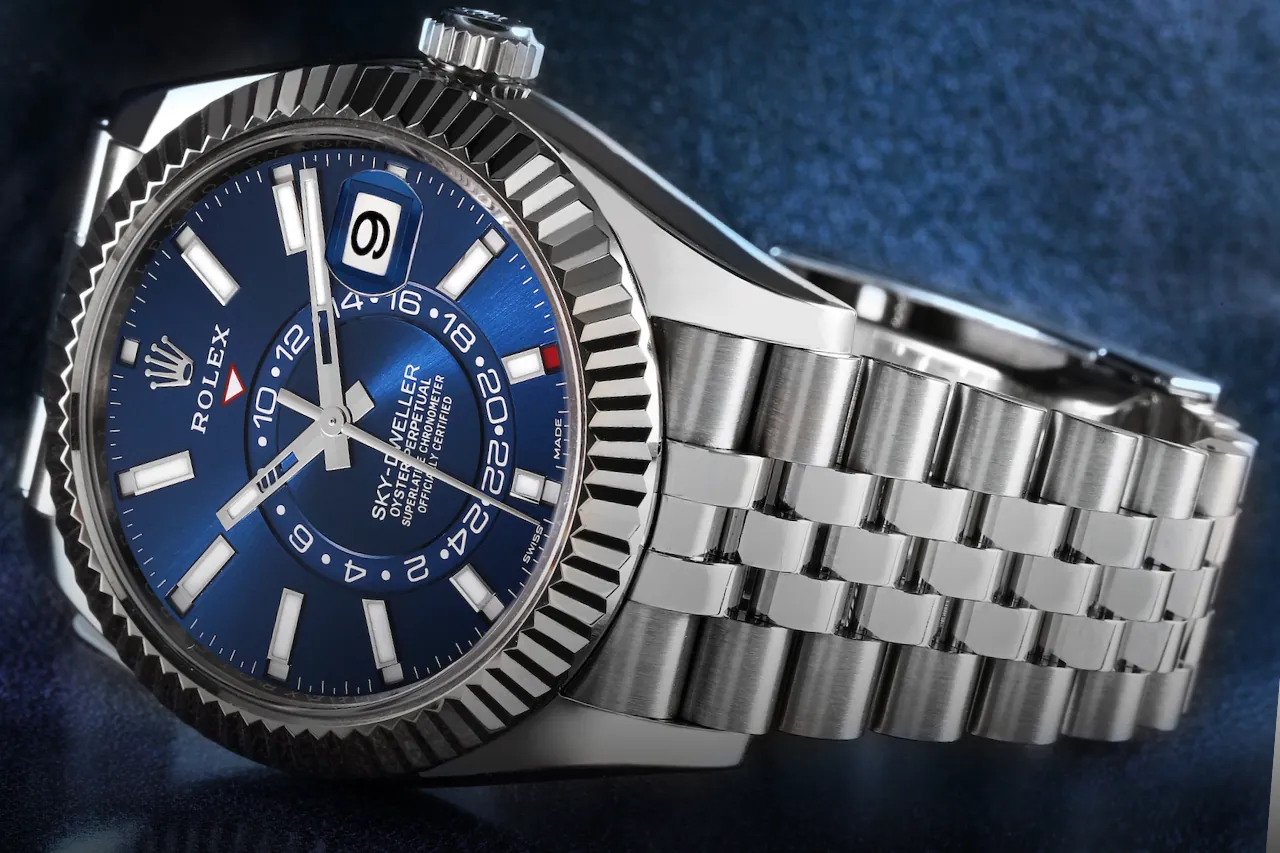
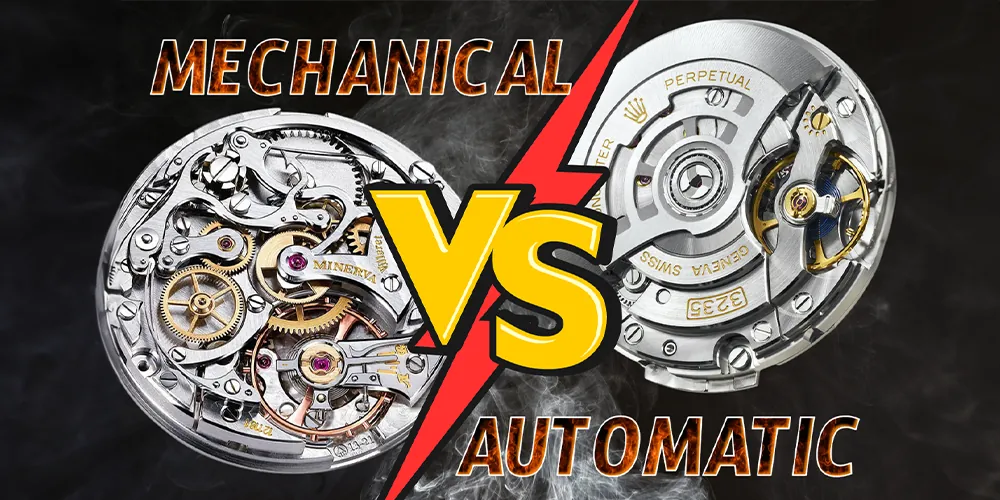
Many mechanical and luxury watches are designed to be serviced and maintained over the long term. For watches from brands such as Rolex, Patek Philippe and Audemars Piguet, movement condition, parts availability, originality and specialist expertise can all make professional repair worth considering, even when the cost is high.
However, not every luxury or mechanical watch is automatically worth repairing. The condition of the watch, availability of suitable parts and its financial, collectible or sentimental value should still be considered.
Mid-Range and Everyday Watches
For mid-range and everyday watches, repair cost tends to play a bigger role in the decision. A reliable movement with available parts may be worth servicing, particularly if the watch is worn regularly, while discontinued or difficult-to-service movements can make repair less practical.
Inexpensive Quartz and Fashion Watches
For inexpensive quartz watches and fashion watches, buying a new watch can make more sense when a movement-level repair approaches the cost of a comparable replacement. Simple services such as a battery change or strap replacement are usually easier to justify.
When Is Repairing a Watch Usually Worth It
Repair tends to make more sense when:
- The fault requires a minor repair: Battery replacement, magnetization, worn gaskets and some crown problems may require limited work rather than a complete movement overhaul.
- The movement remains serviceable: A watchmaker can maintain or repair many established mechanical movements when suitable components remain available.
- The watch has financial or collectible value: Repair can preserve a valuable watch when its movement and important original components remain serviceable.
- The watch has sentimental value: Financial value becomes less decisive when the owner wants to preserve an inherited watch, gift or milestone timepiece.
The condition of the movement still matters. Severe corrosion, unavailable parts or extensive damage can change the repair decision.
When Might Replacement Make More Sense
Replacing a watch may make more sense when extensive damage, unavailable parts or high repair costs make continued repair impractical.
Replacement becomes more practical when:
- Repair costs approach the cost of a comparable replacement. This matters most when the watch has limited financial, collectible or sentimental value.
- The movement has extensive corrosion or water damage. Severe internal damage can increase the number of components and labor required for restoration.
- Suitable movement parts are unavailable. A discontinued caliber can become difficult to repair when compatible or original components cannot be sourced.
- The watch has recurring faults. Repeated failures after previous repairs can justify investigating whether further work remains economical.
- The watch is inexpensive to replace. Movement-level repairs on some lower-cost quartz or fashion watches can cost enough to make replacement more practical.
Age alone does not determine whether a watch should be replaced. A serviceable vintage movement with available parts may remain repairable, while a newer watch with severe damage may be less practical to restore.
Is a Water-Damaged Watch Worth Repairing
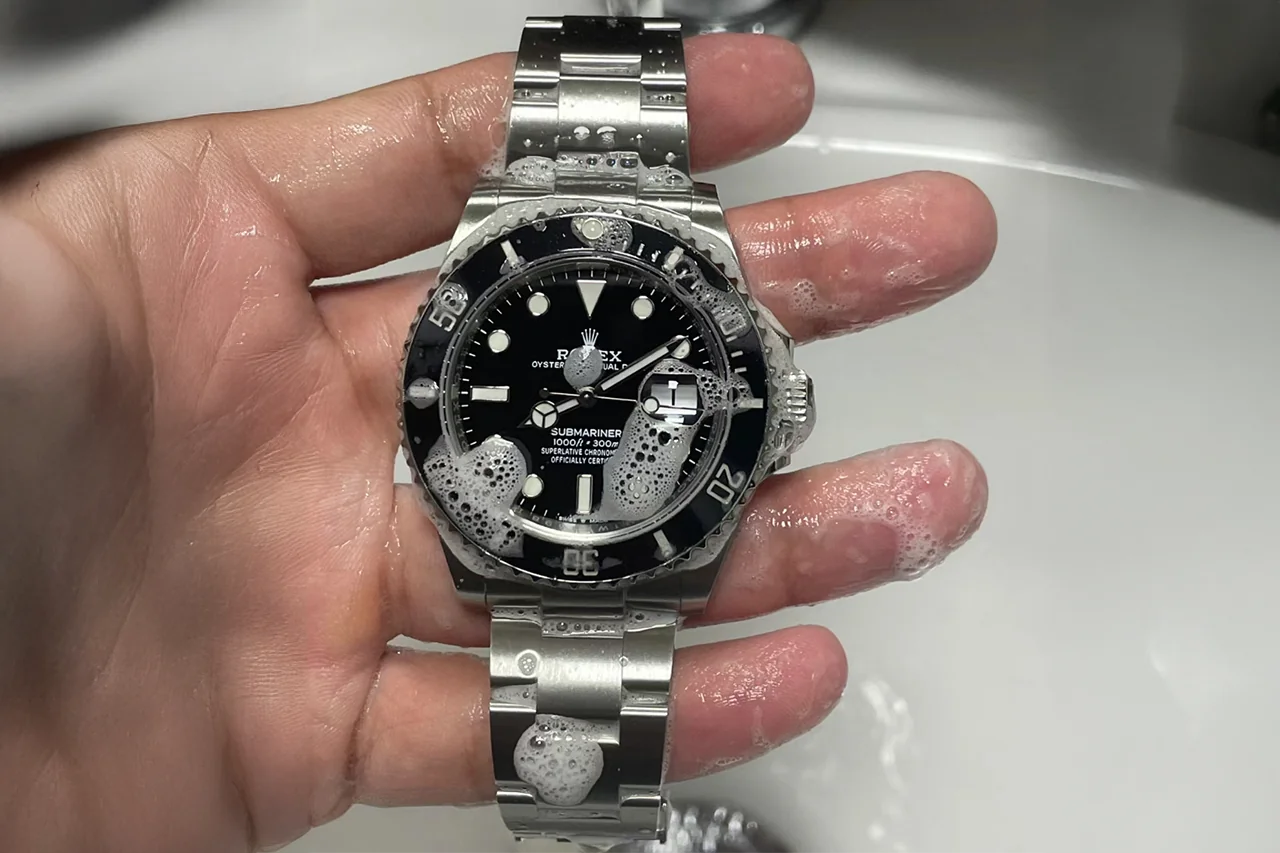
Water damage doesn’t automatically mean a watch should be replaced. The outcome depends on how much moisture entered the case, how long it remained inside, and whether the movement, dial, hands or other components have been affected.

A prompt assessment is important because moisture can lead to corrosion and further damage if left untreated. In some cases, cleaning and replacing affected components may restore the watch, while severe corrosion or extensive damage can make repair less practical.
Does Water Resistance Affect Watch Repair
Water resistance is not necessarily permanent. Seals and gaskets can deteriorate with age, and opening the case during servicing or repair may mean the watch should be resealed and have its water resistance tested afterwards.
If you regularly wear your watch around water, ask whether the repair or service includes replacing worn seals and checking water resistance. This can be particularly important after a battery replacement on a water-resistant quartz watch or after work that requires the case to be opened.
Why Replacement Parts Matter When Repairing a Watch
For vintage, collectible and luxury watches, the type of replacement parts used can affect originality and, in some cases, future resale value. Original or period-correct components can be particularly important to collectors.
Before approving a repair, ask what parts will be replaced and whether they are original manufacturer parts, compatible replacement parts or refurbished components. For a valuable or collectible watch, preserving original components where practical can be an important consideration.
What Makes a Watch Serviceable Over the Long Term
A watch can remain serviceable for many years when its movement can be maintained and suitable replacement components remain available.
Many well-made timepieces use movements that allow individual components, such as the mainspring, balance assembly, crown and other movement parts, to be serviced or replaced without replacing the entire watch.
For mechanical and luxury watches, maintaining a serviceable original movement can also help preserve the watch’s originality. Parts availability, movement condition and access to appropriate expertise ultimately determine how practical long-term repair remains.
When Should You Have a Watch Checked
Your watch does not always need to stop completely before it requires attention. Increasingly poor accuracy, a shortened power reserve, difficulty winding, unusual noises or a crown that feels different from normal can all indicate that the movement needs inspection.
For mechanical watches, changes in timekeeping can result from magnetization, worn components, dried lubricants or other movement issues. What counts as poor accuracy depends on the watch. As one benchmark, a COSC-certified chronometer must maintain an average daily rate between -4 and +6 seconds during testing, but not every mechanical watch is certified to that standard, so a noticeable change from how your watch normally performs is often the more useful signal. Getting the watch checked early can help identify the underlying problem and determine whether further repair is needed.
For quartz watches, a stopped watch should not be left with a dead battery inside for long. Expired batteries can leak a corrosive electrolyte that damages the movement, which can turn what would have been a simple battery replacement into a full repair.
Choosing a Watch Repair Service
The quality of the repair can affect both the watch’s performance and its long-term condition. This is particularly important for mechanical, vintage and luxury watches, where movement construction, case design and replacement parts may require specialist knowledge.
Before choosing a repairer, consider their experience with your watch’s brand and movement, whether they can source appropriate parts, what work is included in the quote, and whether the completed repair comes with any service warranty.
Brand service centers and independent watchmakers each have trade-offs. A brand service typically comes with factory parts and a service guarantee, and Rolex, for example, covers a complete service with a two-year service guarantee. An experienced independent watchmaker may offer more flexibility, such as following an owner’s instructions not to polish the case on a collectible piece. If your watch is still under the manufacturer’s warranty, check how independent work would affect that coverage before proceeding.
For a valuable watch, the cheapest quote is not necessarily the best option. A poorly executed repair can lead to further problems and potentially cost more to correct later.
What Should You Ask Before Committing to a Repair
Before approving a watch repair, confirm the diagnosis, required work, replacement parts, total cost and responsibility for additional repairs.
Ask the watchmaker:
- What exactly caused the problem? A specific diagnosis helps distinguish an isolated fault from broader movement wear or damage.
- What work does the quote include? Confirm whether the price covers labor, replacement parts, cleaning, lubrication, regulation and testing where applicable.
- Which parts need replacing? For vintage and collectible watches, ask whether the repair requires original, compatible or refurbished components.
- Will you contact me before performing additional repair work? Internal inspection can reveal problems that were not visible during the initial assessment.
- Will the repair address the underlying fault? Recurring problems may require investigation beyond replacing the immediately affected component.
- What testing follows the repair? Depending on the watch and work performed, this may include accuracy, function and water-resistance testing.
- Does the repair include a service warranty? Confirm what the warranty covers and how long the coverage lasts.
For mechanical, vintage and luxury watches, also ask whether the watchmaker has experience with the specific movement or caliber.
What Happens During a Professional Watch Repair
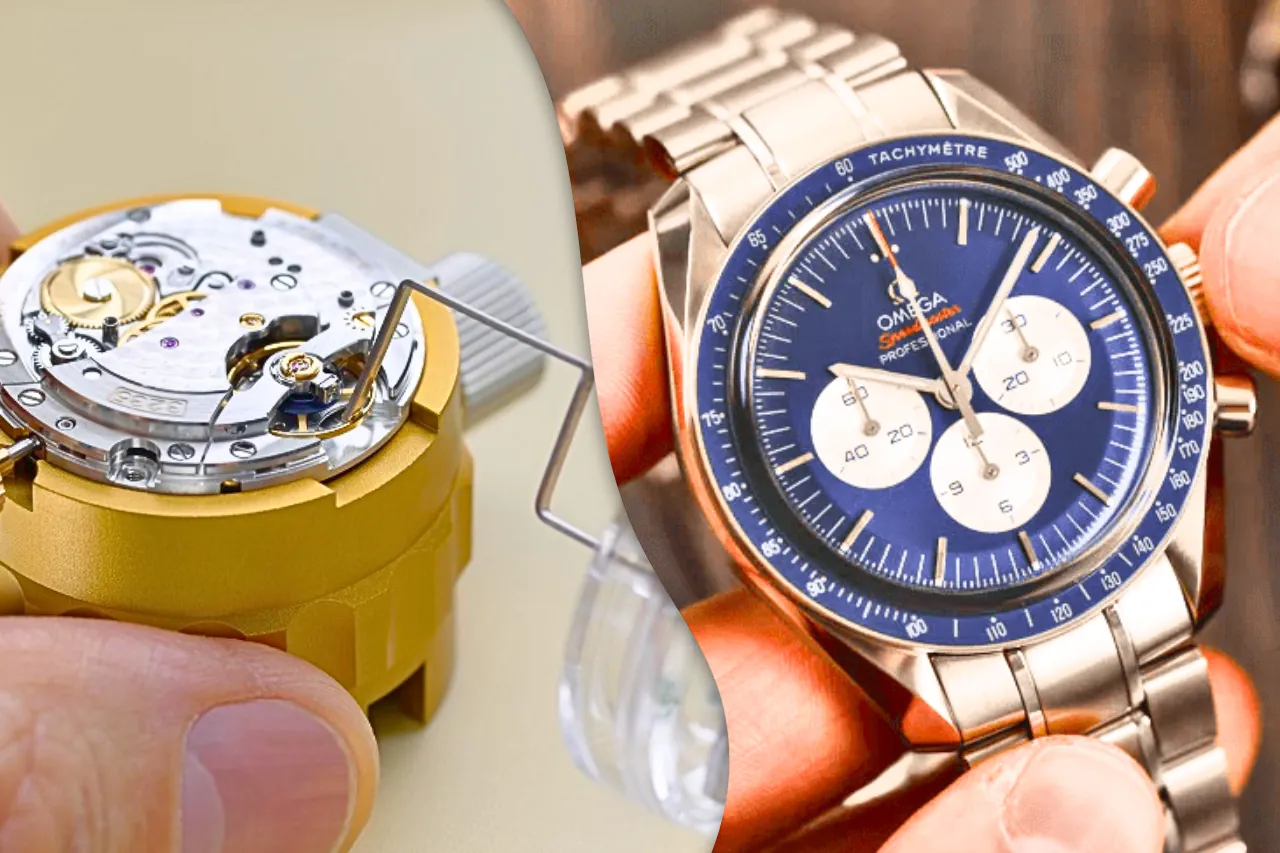
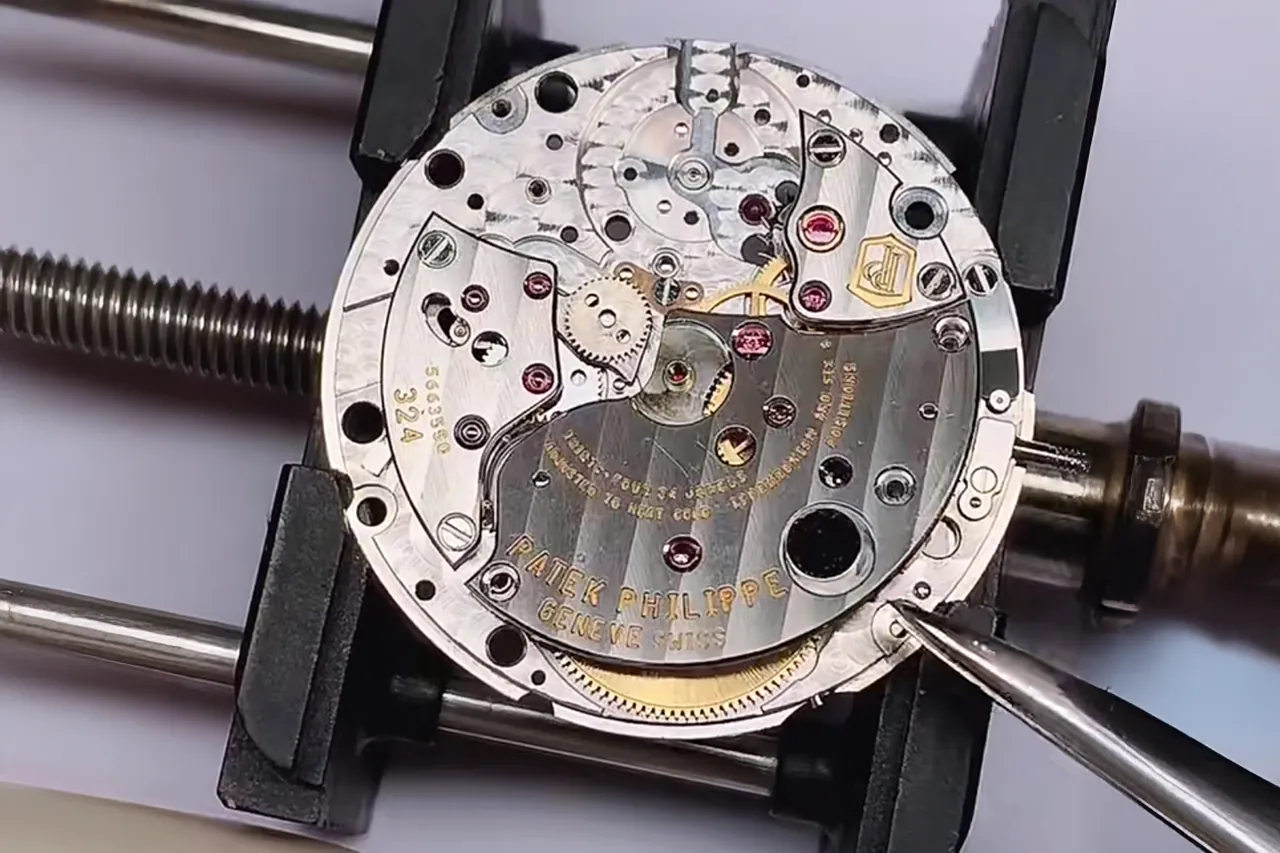
The repair process usually starts with an inspection to identify the cause of the problem and assess the overall condition of the watch. Depending on the fault, the watchmaker may then examine the movement, test its performance and determine which components require repair or replacement.
For more extensive work, the movement may need to be disassembled, cleaned, lubricated, reassembled and adjusted before the watch is tested again. The exact process depends on the movement, the fault and the scope of the repair.
After the repair or service, appropriate testing may also be carried out to check the watch’s performance and, where relevant, its water resistance.
FAQs
1. Is it worth fixing an old watch?
Often, yes, if the movement is serviceable, suitable parts are available, and the overall condition is worth preserving. Sentimental value can also make repair worthwhile even when resale value is limited.
2. Is it ever worth repairing a watch that costs more to fix than it’s worth?
Yes. A repair can still make sense when the watch has sentimental or historical value that isn’t reflected in its resale price.
3. Should I get a second opinion before deciding not to repair a watch?
It can be worthwhile, particularly for mechanical, luxury or vintage watches, as different watchmakers may assess the repair differently.
4. Does repairing a watch affect its resale value?
A well-documented, professionally completed repair can support resale value, particularly when it shows the watch has been properly maintained. On the other hand, heavy polishing, non-original parts or a replaced service dial on a vintage piece can reduce value, so the effect depends on the watch, the type of work and the parts used.
5. Is it worth repairing a watch just to keep it running if I plan to sell it later?
It depends on the repair cost and expected resale value. A watch in good working condition may be easier to sell, but the potential benefit should justify the repair cost.
6. Does a watch need servicing if it is still running?
Not necessarily, but a watch can need servicing even when it is still functioning. Poor accuracy, reduced power reserve, difficulty winding or unusual sounds can indicate that the movement needs inspection. A watchmaker can determine whether servicing or a specific repair is appropriate.
Final Word
Whether it’s worth repairing a watch comes down to weighing repair cost against the watch’s real value, financial and sentimental, along with the type of movement and whether parts are genuinely available. A rough cost guideline can help frame the decision, but it shouldn’t override what the watch actually means to its owner or how well the movement is likely to serve them going forward. A proper diagnosis and an honest quote are usually worth more than guesswork at this stage.
Key Takeaways
- Repair cost relative to a watch’s value is a useful starting point, but sentimental value and movement quality can reasonably override a purely financial calculation.
- Well-made mechanical and luxury watches can often be worth repairing, particularly when suitable parts are available and the movement remains serviceable.
- A watch may be less practical to repair when the movement is heavily corroded, suitable parts are unavailable, or the repair cost approaches that of a comparable replacement with little sentimental value.
If you’re unsure whether your watch is worth repairing, Watchlab’s Swiss-trained specialists can assess the movement and give you an honest, transparent quote before any work begins. Message Watchlab today to book a professional assessment.