Guide
An over-polished watch is a timepiece that has undergone excessive polishing or refinishing, resulting in noticeable changes to the original shape, edges or surface details of its case or bracelet.
Polishing is sometimes used to remove light scratches and restore the appearance of a watch. When performed carefully, refinishing can improve its cosmetic condition while preserving much of its original design. However, polishing removes a small amount of material from the surface. Repeated or aggressive polishing can gradually alter the watch’s contours and finishing.
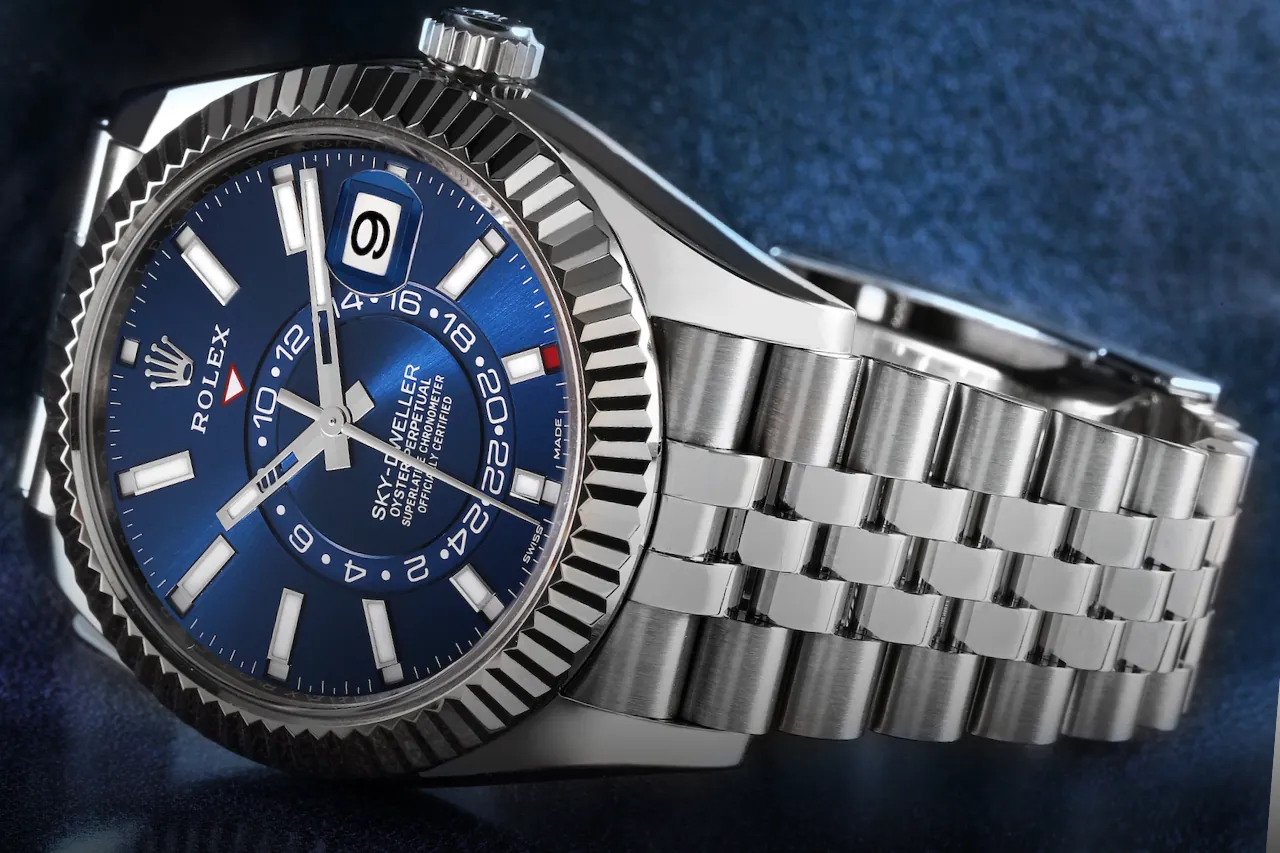
This matters because luxury watches are recognised by more than their brand name or dial. The shape of the case, the definition of its lugs and bevels, and the contrast between brushed and polished surfaces all contribute to its intended appearance.
An over-polished watch may still function perfectly, but excessive material removal can affect its originality, appearance and desirability among certain collectors.
How to Spot an Over-Polished Watch
Identifying an over-polished watch involves looking for changes to the case shape, surface finishing and fine details. No single sign is conclusive, as the original design and finishing can vary between models. Comparing the watch with a verified example of the same reference can help identify differences that may warrant closer inspection.

1. Rounded or Softened Case Edges
A watch’s case may feature defined edges, angular transitions or polished bevels. These details contribute to the case’s original shape and appearance.
Excessive polishing can gradually round these edges, making the case appear softer or less defined than intended. Areas that originally had distinct transitions may look curved or blended together, although some models naturally have rounded contours.
Signs to look for: Compare the case edges with official product photographs or a verified example of the same reference. Pay particular attention to the transitions between the case sides, top surfaces and bevels. Look closely at any dents as well. A dent with smooth, softened edges can suggest the surrounding area was polished over rather than the damage being properly repaired.
2. Altered Lug Shape
The lugs connect the watch case to its bracelet or strap. Their length, thickness, curvature and profile contribute to the watch’s overall proportions.
Repeated polishing can remove material from the lugs, making them appear thinner or more rounded than intended. On watches with angular or tapered lugs, excessive refinishing may make the original shape less distinct. Uneven polishing can also affect the symmetry of the lugs.
Signs to look for: Check whether the lugs appear symmetrical and whether their contours match the design of the specific model. Differences between the left and right sides may warrant closer inspection, although the original design, normal wear and previous repairs should also be considered. If the lugs have drilled spring bar holes, check how much metal remains around each one. On a heavily polished case, the holes can sit unusually close to the lug edge, and their edges may look rounded rather than crisply cut.
3. Uneven Brushed and Polished Finishing
Some watch designs combine brushed surfaces with polished accents. The contrast between these finishes is an important part of the original design.
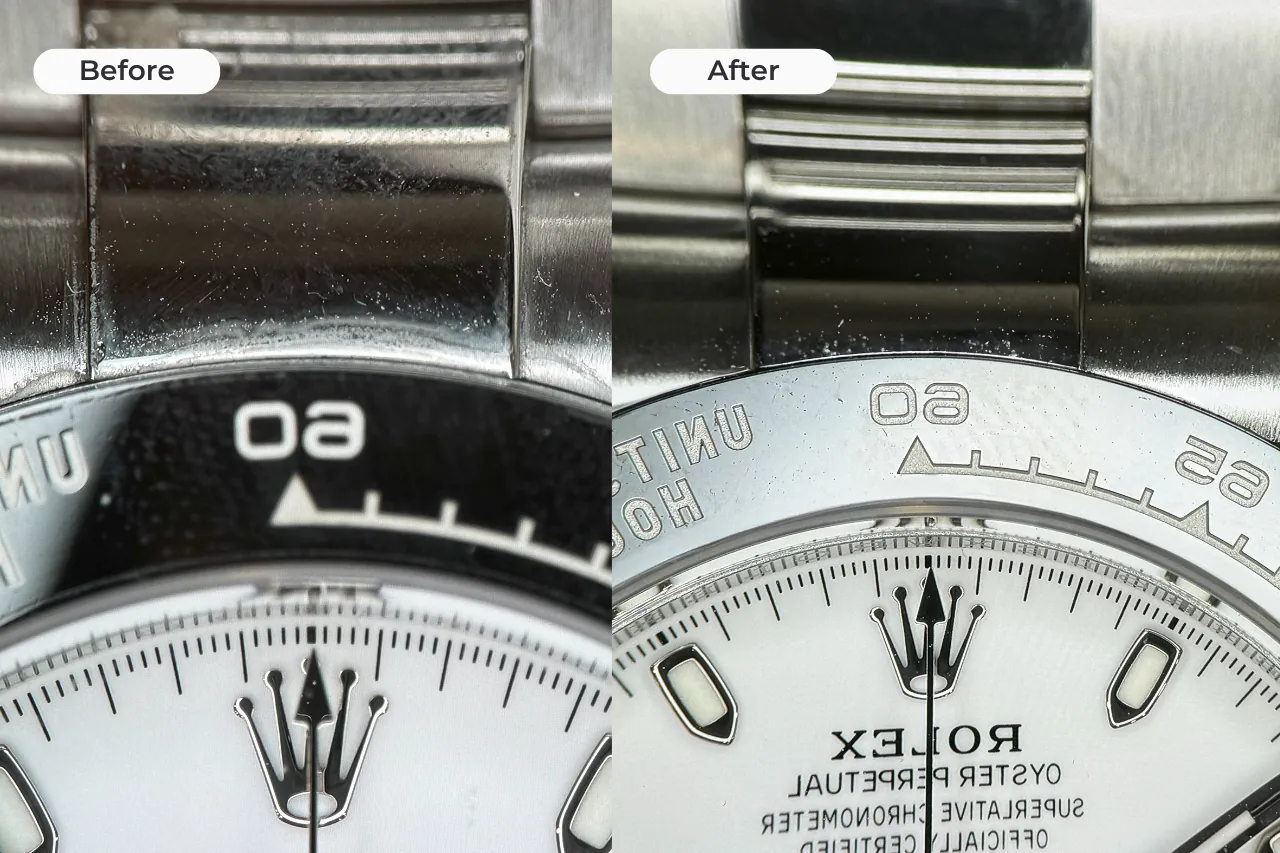
During refinishing, these surfaces need to be treated appropriately to preserve their intended appearance. Poorly executed or repeated polishing may blur the boundaries between finishes, leave inconsistent brushing or create reflective areas where a more defined brushed texture should be visible.
Signs to look for: Examine the case sides, bracelet links and bevels under good lighting. Look for inconsistent surface textures, visible polishing marks or transitions that appear less defined than those on a verified example of the same model.
4. Shallow or Less-Defined Engravings
Engravings, stamped markings and other case details can provide useful clues when assessing a watch’s condition.
Excessive material removal around engraved areas may make some markings appear shallower or less distinct. On certain models, engravings between the lugs may also become less defined after repeated refinishing. However, engraving depth and appearance vary by model, and differences can also result from the original manufacturing process, wear or previous repairs.
Signs to look for: Inspect visible caseback markings, logos and other engraved details for unusual loss of definition. Compare them with reliable reference images for the exact model rather than relying on engraving depth alone.
5. Over-Rounded Bracelet Links
Bracelet links have their own shapes, edges and finishing patterns. On some watches, the distinction between the top surface, sides and link edges is particularly noticeable.
Excessive polishing can soften these contours and reduce the definition between adjacent surfaces. Individual links may look smoother or more rounded than expected, especially around the edges. Polishing can also affect the appearance of raised or stamped details on a bracelet clasp.
Signs to look for: Examine the bracelet and clasp from different angles, paying attention to link profiles, edges and the contrast between brushed and polished sections. Check whether logos and other details remain clearly defined. Normal wear can also soften these features, so consider the watch’s age and overall condition.
6. Changes to the Case Profile, Bezel or Crown Guards
A watch’s overall silhouette is determined by its original design. Depending on the model, this may include prominent shoulders, crown guards, defined bevels or a distinctive bezel profile.
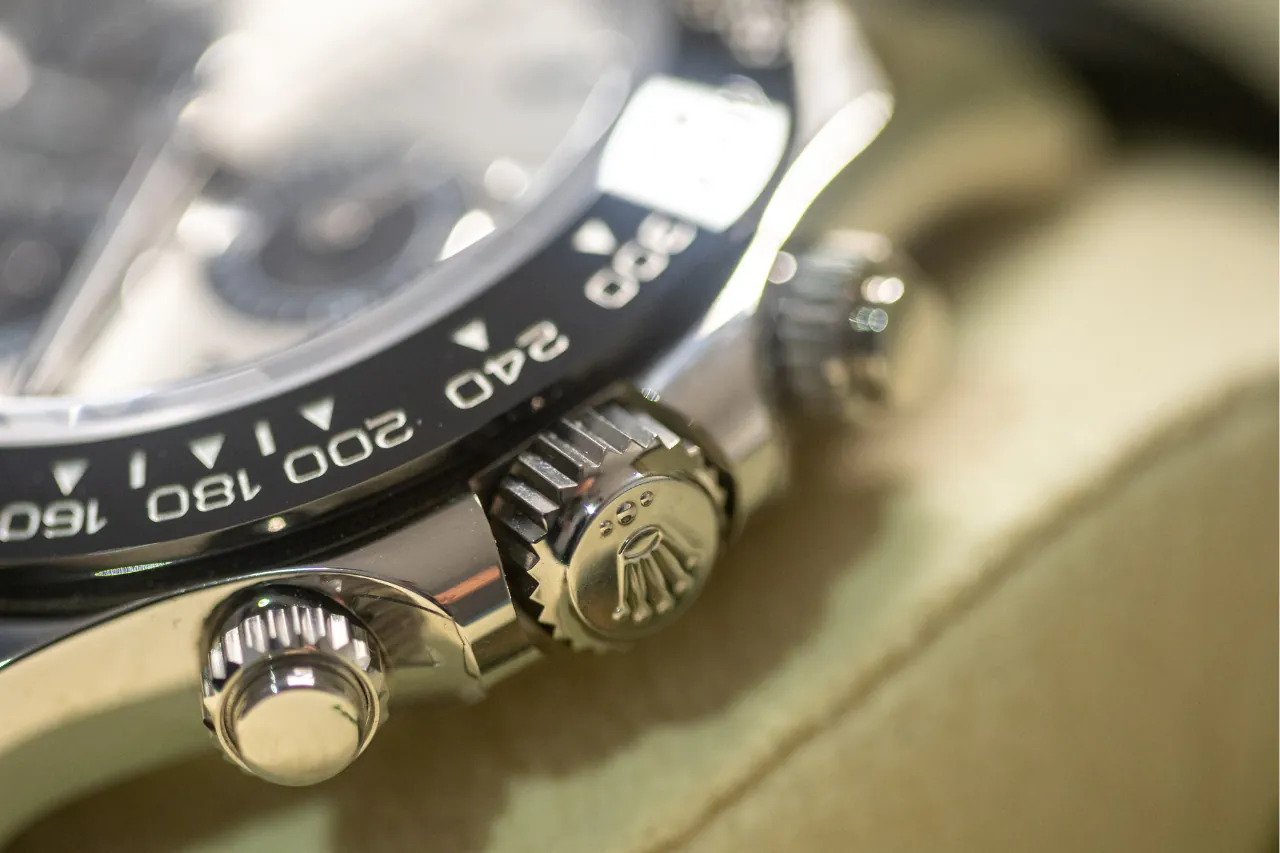
Excessive polishing can alter these features over time, making the case look less angular or changing the visual balance between its different sections. Bezel edges may also lose some of their original definition, while crown guards can become more rounded or appear less symmetrical. The extent to which these changes are noticeable depends on the watch’s design.
Signs to look for: Compare the overall silhouette with photographs of the same reference, including side-profile images where available. Pay attention to the shape of the bezel, crown guards and transitions between case surfaces. Significant differences may justify a closer examination, but photographs alone cannot establish how much material has been removed.
A Note on Assessing Over-Polishing
These signs are indicators, not definitive proof that a watch has been over-polished. Original specifications, normal wear and previous servicing can all affect its appearance. If you are assessing a pre-owned luxury watch, a qualified watchmaker or experienced specialist can help determine whether its case shape and finishing remain consistent with the original design.
Over-Polished vs Unpolished Watch: What Is the Difference
An unpolished watch has not undergone polishing or refinishing, but it may still show scratches, marks and signs of wear. A polished watch may have fewer visible surface marks, although its original shape and finishing may have changed depending on the extent and quality of the work.

Truly unpolished watches are also less common than many buyers expect, especially among vintage models. Most watches that have been worn and serviced for decades will have been polished at some point, so a well-preserved case is usually a more realistic goal than a completely untouched one.
| Feature | Unpolished watch | Potentially over-polished watch |
| Case edges | May retain their original definition alongside signs of wear | May appear rounded or softened |
| Lugs | May show wear while retaining their original profile | May look thinner, more rounded or less defined |
| Surface finishing | May show scratches and wear consistent with use | Brushed and polished transitions may appear blurred or inconsistent |
| Engravings | May show wear while retaining clearly defined markings | Some markings may appear less distinct |
| Overall appearance | May show visible signs of age and use | May look unusually smooth despite changes to its contours |
An unpolished watch may still show signs of wear or damage, while a professionally refinished watch can retain much of its original shape. The extent of any changes depends on the quality of the polishing and the watch’s original design.
Does Polishing Reduce a Watch’s Value
Polishing can affect a watch’s value, but the impact depends on the model, the extent of material removal, the quality of the refinishing and buyer preferences.
For some vintage and collectible watches, originality and clearly defined case contours are important considerations. Excessive polishing can soften the original edges, alter the shape of the lugs or affect the contrast between brushed and polished surfaces. These changes may influence how collectors assess the watch’s condition and desirability.
However, polishing does not automatically reduce a watch’s value. Careful refinishing can improve its cosmetic appearance by reducing visible scratches and surface marks while preserving much of its original design. Whether polishing is appropriate depends on the watch’s condition, construction and intended finish.
When assessing a pre-owned luxury watch, consider the following factors:
- Originality: Whether the case and bracelet retain their intended shapes, proportions and details.
- Condition: The extent of scratches, dents, wear and any visible signs of previous refinishing.
- Quality of refinishing: Whether the work preserves the original contours and maintains the intended surface finishes.
- Model and collector demand: Whether originality and unaltered case geometry are particularly important for that reference.
- Documentation and service history: Whether previous polishing, restoration or other servicing work is documented.
A watch’s value should not be judged by its surface appearance alone. Authenticity, mechanical condition, provenance and market demand can also influence its desirability.
Can an Over-Polished Watch Be Restored
An over-polished watch may be restorable to some extent, depending on its condition and the amount of material removed. Specialist restoration methods may help address certain changes. For example, some specialists use laser welding to add metal back to worn areas before re-shaping the edges and re-applying the original finishes. However, returning a watch to its exact original factory condition may not be possible.
Before considering further work, a specialist should assess:
- Material Removal: How much of the original case material remains.
- Case Design: How difficult the original contours and bevels are to recreate.
- Restoration Options: Whether suitable techniques are available for the watch’s material and condition.
- Originality: Whether further intervention is appropriate, particularly for vintage or collectible models.
Depending on the watch’s construction, damage to sealing surfaces during inappropriate refinishing may affect water resistance. If there are concerns about the case or seals, have the watch assessed by a qualified watchmaker before exposing it to water.
Further polishing may remove additional material, so it is important to understand the likely outcome before proceeding. In some cases, preserving the watch’s existing condition may be preferable to further refinishing.
Should You Buy an Over-Polished Watch
An over-polished watch is not necessarily a poor purchase. The important consideration is whether its condition, originality and price meet your expectations.
Ask the seller about previous polishing or refinishing, and compare the watch with reliable photographs of the same reference. If originality is important to you, particularly for a vintage or collectible model, consider obtaining an independent assessment before buying.
A carefully polished watch may still be suitable for everyday wear, but significant changes to its original case shape and finishing deserve closer consideration.
How to Care for Your Watch’s Original Finish
Preventing unnecessary polishing starts with understanding that minor surface marks are a normal part of wearing a watch. Removing every scratch is not always necessary, particularly if preserving the original case shape and finishing is important to you.
To help maintain your watch’s finish:
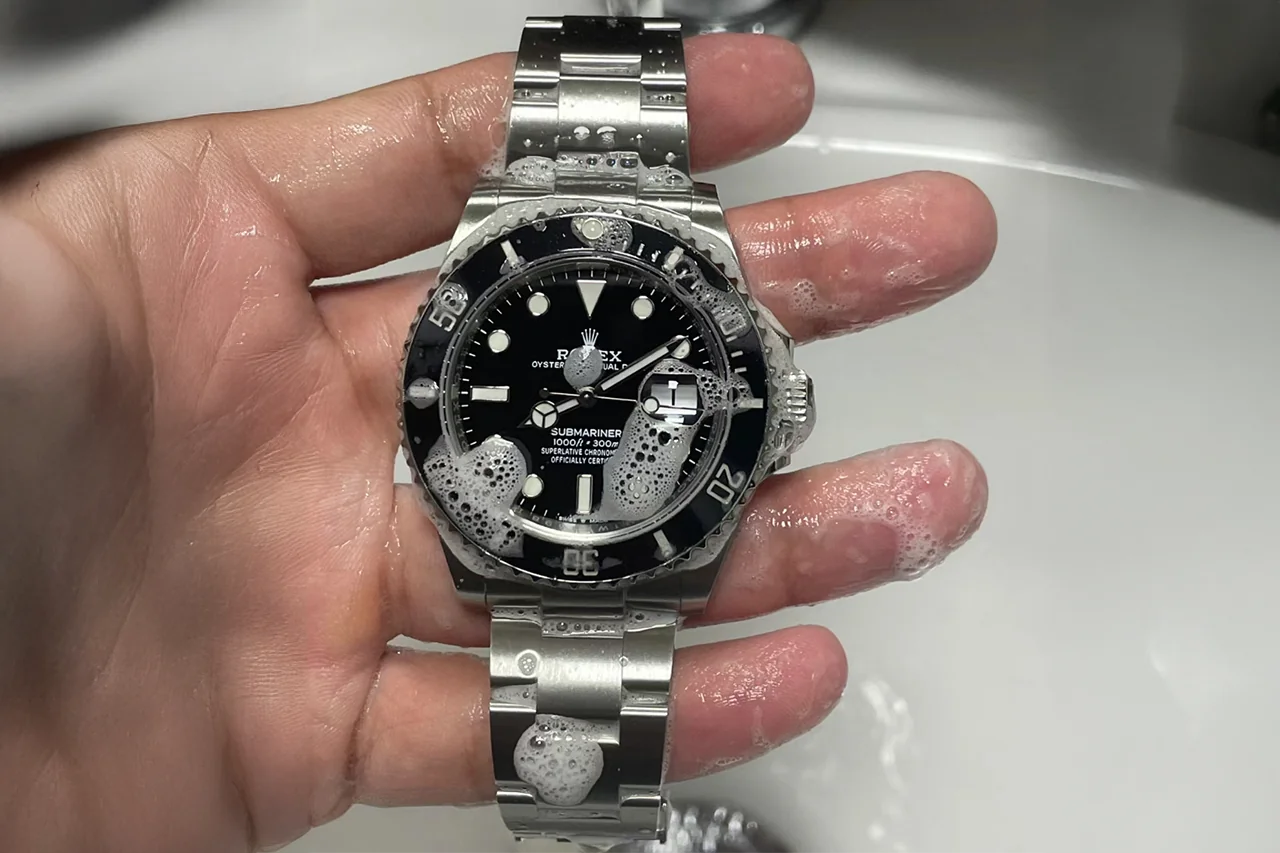
- Clean it appropriately: Follow the manufacturer’s care instructions. Use a soft microfiber cloth to remove everyday dirt, dust and fingerprints. For more thorough cleaning, check that the watch’s water resistance and condition make it suitable for the recommended cleaning method.
- Avoid abrasive products: Toothpaste, abrasive cleaners and unsuitable polishing compounds can scratch surfaces or alter the original finish.
- Avoid unnecessary polishing: Light surface marks do not automatically require professional refinishing. Polishing removes material, so repeated work can gradually soften edges and alter the case’s original contours.
- Choose a qualified specialist: If polishing or refinishing is needed, consult a professional familiar with the watch’s case construction and original finishing.
- Discuss your preferences beforehand: Explain whether preserving the original edges, bevels and surface finishes is a priority before agreeing to cosmetic work.
FAQs
1. Is It Bad to Polish a Luxury Watch?
Professional polishing can reduce surface scratches and improve a watch’s appearance. However, repeated or aggressive polishing can alter the original case shape and finishing.
2. Does an Unpolished Watch Have More Value?
An unpolished watch may appeal to collectors who prioritize originality, particularly for vintage models. However, value also depends on condition, authenticity, mechanical performance and market demand.
3. Should I Avoid Buying a Polished Pre-Owned Watch?
A polished watch can still be a good purchase if its condition and price are appropriate. Check the case shape and finishing, and ask about previous polishing or restoration before making a decision.
4. How Often Should a Luxury Watch Be Polished?
Polishing should only be considered when necessary to address surface marks or improve the watch’s appearance. Since the process removes material, unnecessary or repeated polishing can gradually alter the case’s original shape and finish.
5. How Can You Tell If a Watch Has Been Polished?
Look for softened case edges, altered lugs, less-defined engravings and blurred transitions between brushed and polished surfaces. These may indicate polishing, but they are not conclusive proof. Comparing the watch with the same reference and having it professionally assessed can provide a clearer picture.
6. How Many Times Can a Watch Be Polished?
There is no fixed number of times a watch can be polished. The limit depends on its design, condition and how much material has already been removed. A qualified watchmaker can assess whether further polishing is appropriate.
7. Should I Polish My Watch Before Selling It?
In most cases, it is better to leave the watch as it is. Buyers and dealers usually prefer to assess the case in its current condition, and polishing before a sale removes material that cannot be replaced. If refinishing is appropriate, it can be done after the sale.
Final Word
An over-polished watch may show rounded case edges, softened lugs, altered proportions or less-defined surface details. These changes can affect the watch’s original appearance and, depending on the model, its desirability among collectors.
Before deciding whether a watch needs polishing or whether a pre-owned example is worth buying, look beyond its overall shine. Comparing its case geometry and finishing with a reliable reference can help you spot potential concerns, while a professional assessment can provide a clearer understanding of its condition.
Key Takeaways:
- Excessive polishing can remove metal and alter a watch’s original case shape and finishing.
- Rounded edges, softened lugs and blurred finishing transitions can be warning signs, but none proves over-polishing on its own.
- Polishing does not automatically reduce every watch’s value. The model, condition, originality and collector demand all matter.
- Material removed through polishing cannot be replaced by further polishing, so additional refinishing should be considered carefully.
- When buying a pre-owned luxury watch, inspect its case and bracelet condition and seek a professional assessment if you are unsure.
Not sure whether your watch needs refinishing, or whether it has already been polished too much? Bring it to Watchlab and our experienced watchmakers can assess its case condition and finishing before you decide. If refinishing is the right next step, our watch polishing service can help.