Guide
A flyback chronograph is a type of chronograph that can be reset to zero and immediately restarted while it is running. Unlike a standard chronograph, which normally needs to be stopped before it can be reset, a flyback allows the wearer to begin a new timing interval with a single press of the reset pusher.
The function became closely associated with aviation, where pilots needed to measure successive intervals quickly. Today, flyback chronographs can be found in watches designed around aviation, motorsport and other forms of rapid timing.
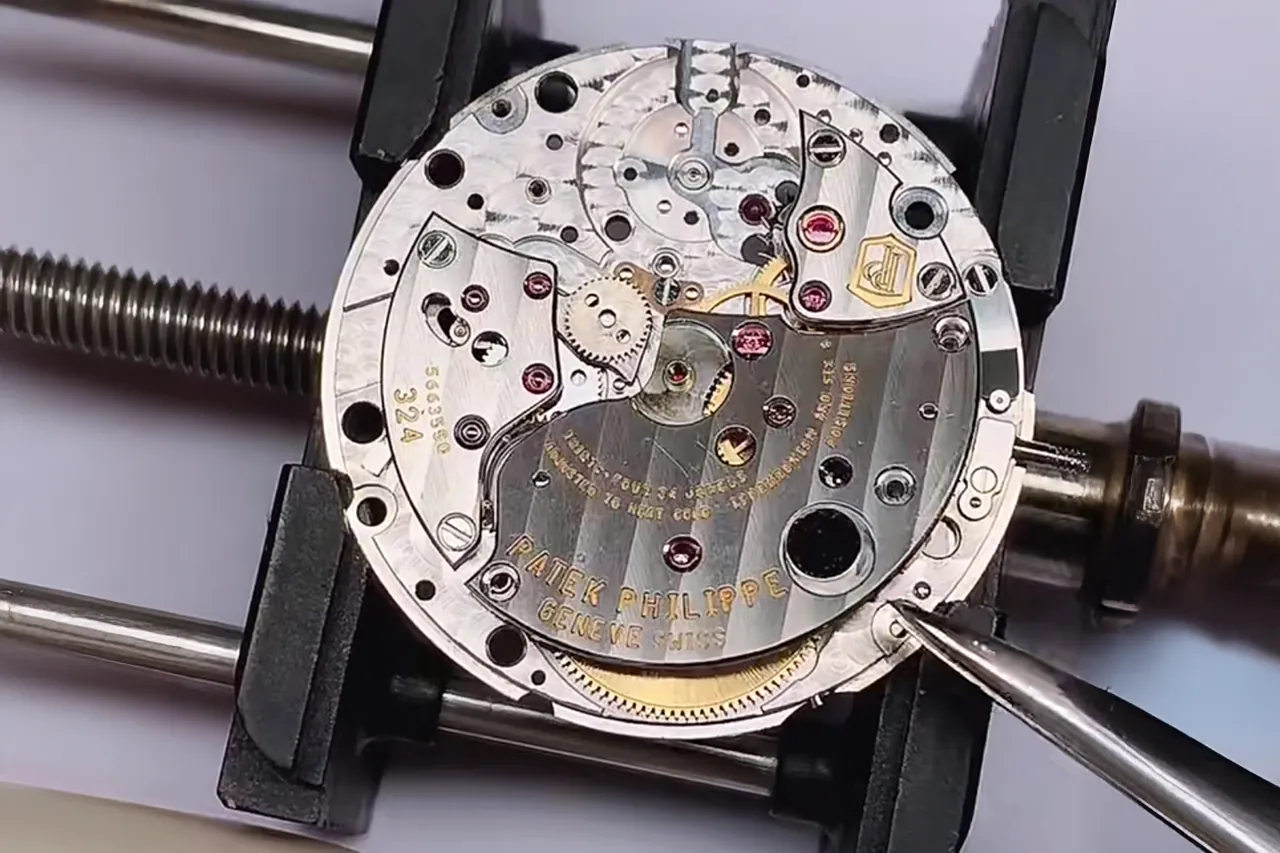
The function relies on a specialised mechanical system. The flyback mechanism must reset the chronograph while it continues running, which requires additional coordination between the movement’s control components. Understanding how it works also makes it easier to distinguish a flyback from a standard chronograph or rattrapante.
What Is a Chronograph
A chronograph is a watch complication that functions as a stopwatch. It allows the wearer to measure elapsed time without stopping the watch’s normal timekeeping.

Many mechanical chronographs use two pushers:
- Upper pusher: Starts and stops the chronograph
- Lower pusher: Resets the chronograph to zero
Some movements use a different pusher arrangement, including single-pusher chronographs.
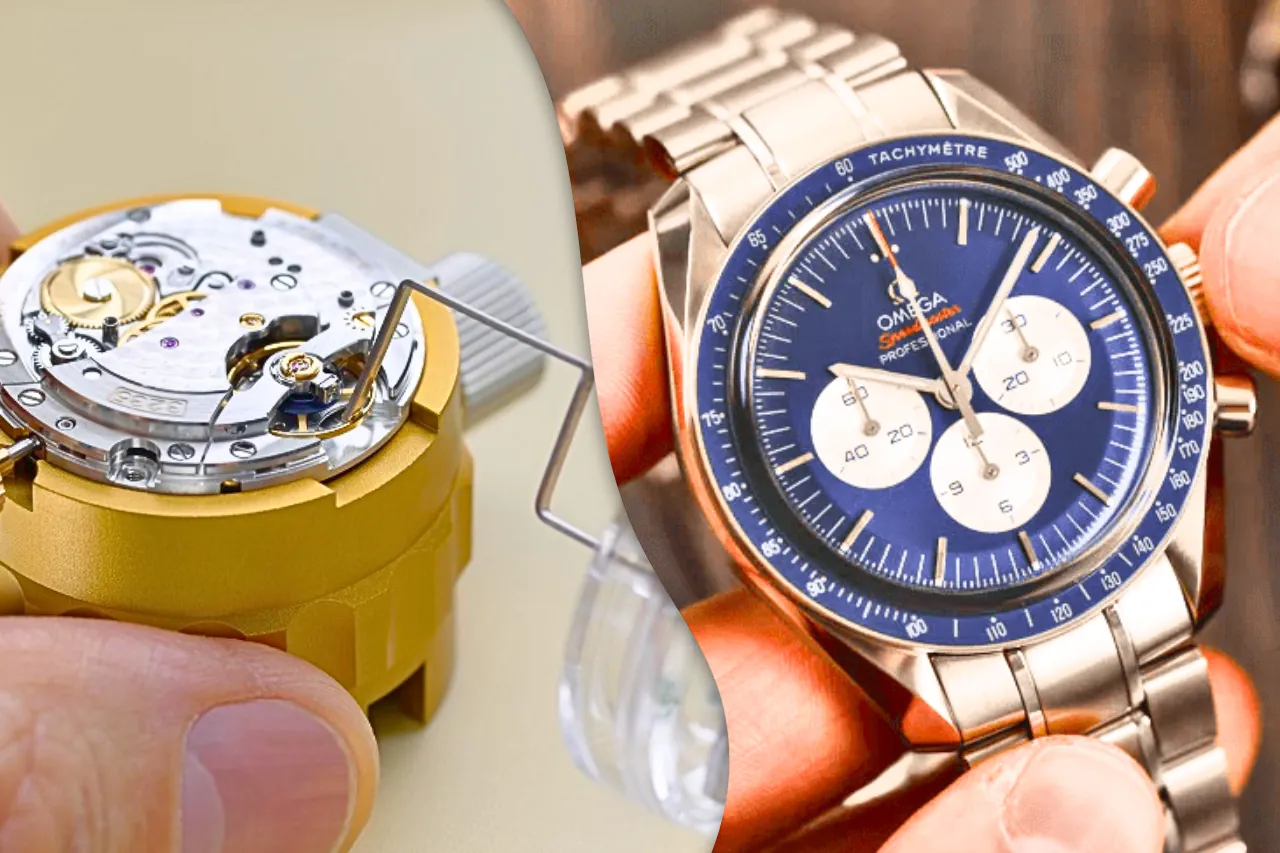
Elapsed time may be shown by a central chronograph seconds hand and one or more subdials for minutes or hours, depending on the movement.
Its operating mechanism measures elapsed time while the watch continues to display the current time.
What Is a Flyback Chronograph
A flyback chronograph is designed to reset to zero and immediately restart while the chronograph is still running.
With a conventional two-pusher chronograph, starting a new timing interval normally requires three steps:
1. Stop the chronograph.
2. Reset the hands to zero.
3. Start the chronograph again.
A flyback removes the need for the separate stop and restart operations. Activating the flyback function causes the chronograph hands to return to zero and immediately begin timing the next interval.
This is particularly useful for measuring several intervals in quick succession.
If you are unsure whether your chronograph has a flyback function, check the manufacturer’s instructions rather than testing the reset function while the chronograph is running. A flyback movement is engineered specifically to perform this reset while the chronograph is running.
How Does a Standard Chronograph Reset Work
When a standard chronograph is running, its timing mechanism is engaged and measuring elapsed time.
To reset it, the chronograph must normally be stopped first. Once stopped, pressing the reset pusher activates the reset mechanism.
In many mechanical chronographs, reset hammers act on cams connected to the chronograph mechanism. The hammers push these components into their reset positions, causing the chronograph hands to return to zero.
The chronograph can then be started again for another measurement. This works well for ordinary elapsed-time measurement, but it takes more time when another interval needs to be measured immediately.
How Does a Flyback Chronograph Work Mechanically
A flyback chronograph modifies the reset mechanism so that the chronograph hands can return to zero while the chronograph remains running. The mechanism must coordinate the reset action with the still-engaged chronograph, rather than simply disengaging it as a conventional reset would.
When the flyback pusher is pressed, the reset mechanism acts on the chronograph components and brings the hands back to zero. The timing mechanism remains engaged, allowing the next interval to begin immediately.
The exact setup varies by calibre and may involve levers, springs, hammers, cams and other control components.
What Happens When You Press the Flyback Pusher
The process has four basic stages:
1. The chronograph is running
The chronograph is actively measuring elapsed time while the watch continues its normal timekeeping.
2. The flyback pusher is pressed
The flyback mechanism activates the components responsible for resetting the chronograph.
3. The hands return to zero
The chronograph hands are brought back to their zero positions by the reset mechanism.
4. Timing immediately continues
The chronograph begins measuring the next interval without requiring a separate start command.
The term “flyback” refers to the chronograph hand flying back to zero before immediately continuing with the next measurement.
Flyback Chronograph vs Standard Chronograph
Both types measure elapsed time, but their reset operations are different.
| Feature | Standard Chronograph | Flyback Chronograph |
| Reset process | Stop → Reset → Start | Reset and restart in one operation |
| Reset while running | Generally not intended | Designed for this function |
| Main advantage | General elapsed-time measurement | Faster consecutive timing |
| Typical applications | Everyday and general timing | Aviation, racing and rapid timing |
A standard chronograph normally needs to be stopped before it can be reset, while a flyback chronograph can reset and immediately continue timing.
For measuring one event, a standard chronograph is usually sufficient. The flyback becomes useful when one timing interval needs to follow another with minimal interruption.
What Is a Flyback Chronograph Used For
A flyback chronograph is useful when consecutive timing intervals need to be measured quickly.
Instead of stopping a chronograph after one interval, resetting it and then starting it again, the wearer can activate the flyback function and immediately begin measuring the next interval.
Aviation
The flyback function became closely associated with aviation because pilots used mechanical chronographs to measure successive stages of a flight.
Longines is closely associated with the early development of the flyback chronograph. The brand states that it equipped an early model with a flyback function in 1925 and later filed a patent application for the technology on 12 June 1935. The patent was granted and published on 16 June 1936. Longines describes the function as allowing pilots to measure successive stages of a flight with greater efficiency.
Motorsport
Flyback chronographs can also be useful in motorsport, where laps and other intervals may need to be timed in quick succession.
Professional motorsport timing generally relies on dedicated electronic systems, but the flyback function remains an established mechanical chronograph complication.
What Are the Advantages of a Flyback Chronograph
The main advantage of a flyback chronograph is that it reduces the number of actions needed between timing intervals.
Its main benefits include:
- Quick reset: The chronograph hands return to zero while the mechanism remains running.
- Immediate restart: The next timing interval begins straight away.
- Fewer operations: There is no need to stop and manually restart the chronograph.
- Consecutive timing: Useful when several intervals need to be measured one after another.
For everyday use, a flyback is not necessarily more useful than a standard chronograph. If you only need to measure one elapsed-time interval, the additional function may rarely be needed.
Flyback vs Column Wheel: Are They the Same
No. Flyback and column wheel describe different aspects of a chronograph movement.
- Flyback refers to a function: the ability to reset the chronograph and immediately restart it while running.
- Column wheel refers to a type of control mechanism used in some mechanical chronographs. It coordinates the chronograph’s start, stop and reset operations through its interaction with other components.
A column wheel alone does not tell you whether a chronograph has a flyback function.
Where Did the Flyback Chronograph Come From
Early flyback chronographs were particularly useful in aviation, where pilots needed to measure successive stages of a flight quickly.
Longines was closely involved in the early development of the flyback chronograph. The brand says its first flyback-equipped models predate its patent, and it filed a patent application for the mechanism on 12 June 1935. The patent was registered on 16 June 1936.
The mechanism allowed the chronograph to be stopped, reset and restarted with a single operation. This reduced the number of actions required when measuring successive intervals.
The complication later appeared in watches designed for aviation, racing and other applications where rapid timing was useful.
Which Watches Use a Flyback Chronograph
Several brands have produced flyback chronographs, including models associated with aviation and racing.

Examples include:
- Longines: Spirit Flyback
- Blancpain: Air Command
- Breitling: Flyback chronograph models
- Panerai: Flyback chronograph models
Does Rolex Make a Flyback Chronograph
Rolex has produced a historical flyback chronograph, but its modern chronograph and countdown functions are different from a conventional flyback system. The Cosmograph Daytona, for example, uses a conventional start-stop-reset chronograph, while the Yacht-Master II is designed around a programmable regatta countdown with on-the-fly synchronisation.
Is the Rolex Daytona a Flyback Chronograph
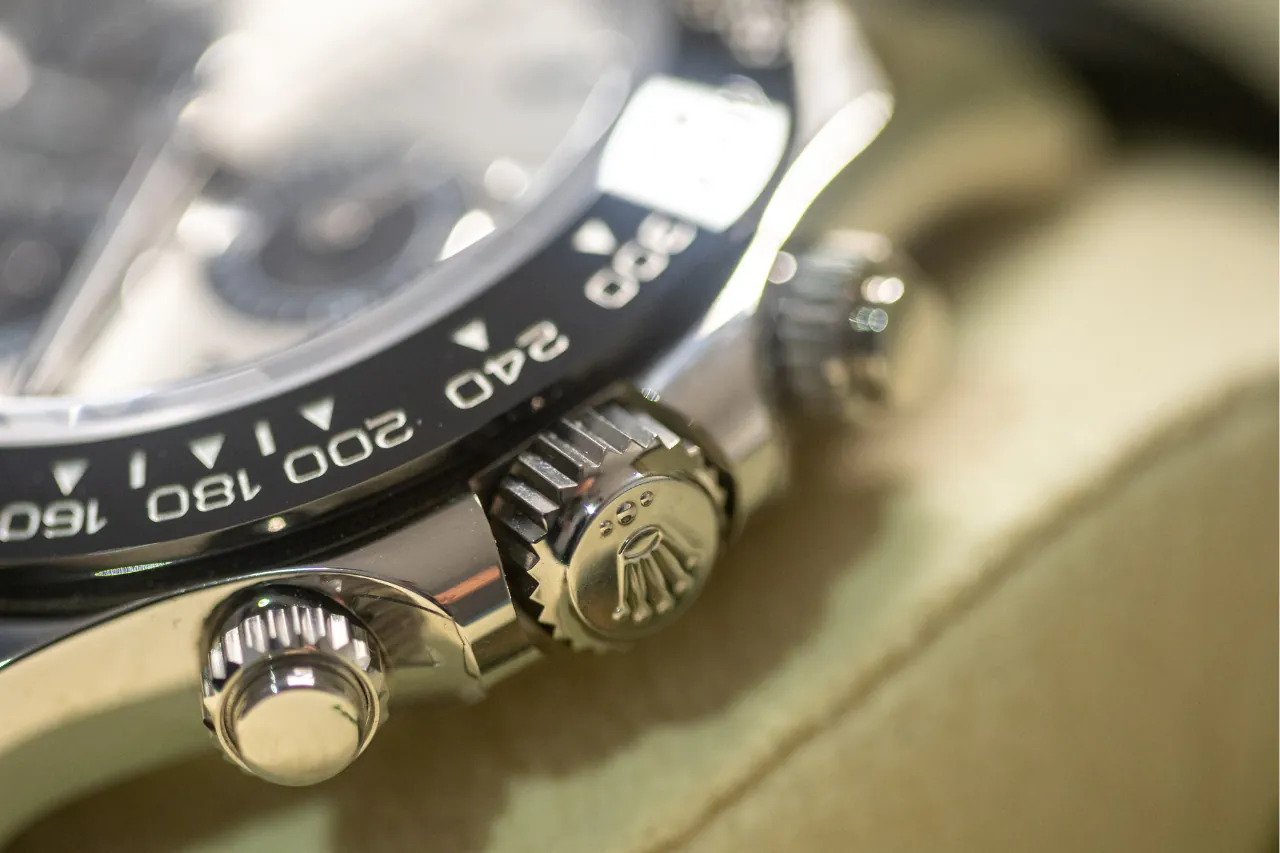
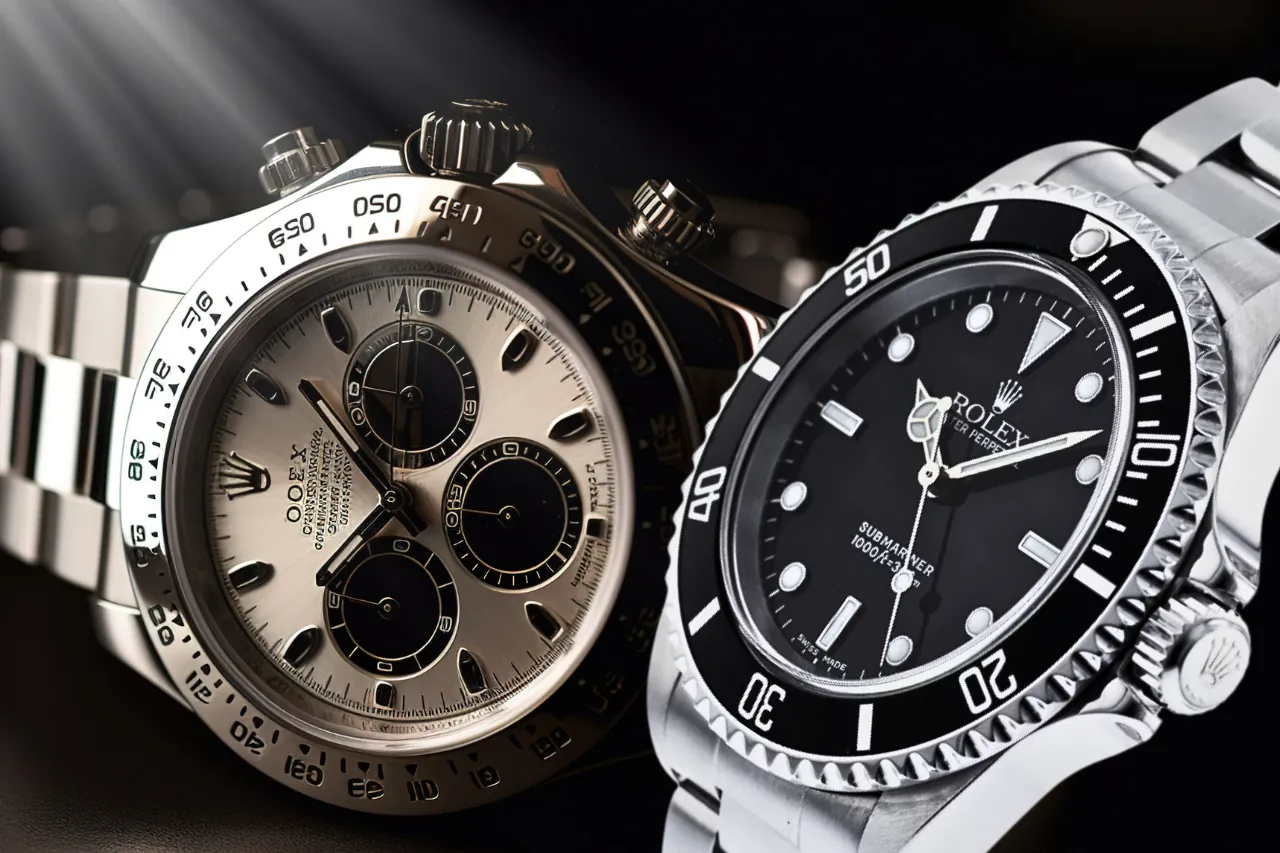
No. The Rolex Cosmograph Daytona is a conventional chronograph rather than a flyback chronograph.
Rolex’s own instructions require the chronograph to be stopped before the lower pusher is pressed to reset the chronograph seconds hand and counters to zero.
Did Rolex Ever Make a Historical Flyback Chronograph
Yes. One notable example is the extremely rare Rolex Oyster Zerographe Ref. 3346, dating to 1937. It used a manually wound, single-pusher chronograph movement with a flyback function, so one press sent the chronograph hand back to zero and started it running again.
Does the Rolex Yacht-Master II Have a Flyback Function
The modern Rolex Yacht-Master II uses a specialised programmable regatta countdown with mechanical memory and on-the-fly synchronisation. The system is designed to help sailors manage the countdown to the starting sequence of a yacht race.
The countdown can be synchronised while it is running, but this is not the same function as resetting a standard elapsed-time chronograph to zero and immediately restarting it. The Yacht-Master II is designed specifically for regatta countdown timing.
Rolex describes it as a chronograph movement with a countdown function, including programmable countdown with mechanical memory and on-the-fly synchronisation.
- Cosmograph Daytona: Conventional chronograph, not flyback.
- Oyster Zerographe Ref. 3346: Historical chronograph with a flyback-style reset function.
- Yacht-Master II: Programmable regatta countdown with on-the-fly synchronisation.
Flyback vs Rattrapante: What’s the Difference
A flyback is designed to start a new timing interval quickly by resetting and restarting the chronograph while it is running. A rattrapante, or split-seconds chronograph, uses two overlapping seconds hands to record split or intermediate times.
| Feature | Flyback | Rattrapante |
| Main purpose | Quickly start a new timing interval | Measure split or intermediate times |
| Chronograph seconds hands | Usually one | Two |
| Reset and restart while running | Yes | Not the defining function |
| Typical use | Consecutive timing | Comparing elapsed times |
Can You Use a Flyback Chronograph Like a Normal Chronograph
Yes. A flyback chronograph can be operated as a conventional start-and-stop chronograph. If you only need to measure one interval, you can start and stop the chronograph normally.
When another interval needs to begin immediately, the flyback function allows the wearer to reset and restart the chronograph in one operation.
What Makes a Flyback Chronograph More Mechanically Complex
A mechanical chronograph already contains a relatively complex system of components controlling its start, stop and reset functions.
A flyback adds another layer of coordination because the reset must occur while the chronograph is running. Depending on the calibre, the mechanism must coordinate the reset hammers with the chronograph drive during the flyback action. Poor adjustment can result in hands that stop short of zero or hesitation when timing restarts.
Does a Flyback Chronograph Need More Servicing
Not necessarily. Having a flyback function does not automatically mean a watch needs to be serviced more frequently than a standard chronograph.
The service interval depends on the movement, its condition, usage and the manufacturer’s recommendations.
Signs worth having checked include hands that stop short of zero after a flyback reset, a pusher that feels stiff or gritty, or a restart that hesitates. Because these symptoms can have several causes, it is better to stop using the function and have a watchmaker inspect the mechanism than to keep testing it.
During servicing, a watchmaker will check the chronograph’s start, stop and reset functions, along with the flyback operation. Problems such as inconsistent resetting, stiff pushers or a flyback that does not restart cleanly can point to wear, contamination or issues within the chronograph mechanism.
FAQs
1. What Does Flyback Mean on a Chronograph?
Flyback means the chronograph can be reset to zero and immediately restarted while it is running, using a single operation.
2. Is a Flyback Chronograph Better Than a Standard Chronograph?
Not necessarily. A flyback is particularly useful for consecutive timing, while a standard chronograph is sufficient for most ordinary elapsed-time measurements.
3. Which Watch Brands Make Flyback Chronographs?
Longines, Breitling, Blancpain and Panerai are among the manufacturers that have produced flyback chronographs. The exact mechanism varies between movements.
3. Can a Flyback Chronograph Be Used as a Normal Chronograph?
Yes. A flyback chronograph can be operated as a conventional start-and-stop chronograph. The flyback function provides an additional way to begin a new timing interval quickly.
4. Is a Flyback the Same as a Column-Wheel Chronograph?
No. Flyback describes a chronograph function, while a column wheel is a type of control mechanism used in some chronograph movements.
5. Is a Flyback the Same as a Rattrapante?
No. A flyback resets and immediately restarts the chronograph, while a rattrapante uses two chronograph seconds hands to measure split or intermediate times.
Final Word
A flyback chronograph solves a simple but useful timing problem: measuring one event immediately after another without going through a separate stop, reset and restart sequence. Its defining feature is the ability to return the chronograph hands to zero while the mechanism remains running, so the next timing interval can begin immediately.
The complication became closely associated with aviation and remains a distinctive example of specialised mechanical watchmaking. Knowing the difference between a flyback, standard chronograph, column wheel and rattrapante also gives you a better sense of how each movement works.
Key Takeaways
- A flyback chronograph resets and restarts while running, allowing a new timing interval to begin with one operation.
- The complication became closely associated with aviation, where successive timing intervals could be measured more efficiently.
- Flyback and column wheel are not the same: flyback describes a function, while a column wheel describes a type of chronograph control mechanism.
- Rolex has produced a historical chronograph with a flyback-style reset function, including the rare Oyster Zerographe Ref. 3346, while the Yacht-Master II uses a specialised regatta countdown with on-the-fly synchronisation.
A flyback chronograph depends on precise coordination between its timing and reset mechanisms. If your chronograph does not reset to zero, restarts inconsistently, or develops stiff pushers, have the movement inspected rather than repeatedly operated. Watchlab provides professional watch servicing and repair to identify and address problems within the chronograph mechanism.